
Last updated November 5, 2026
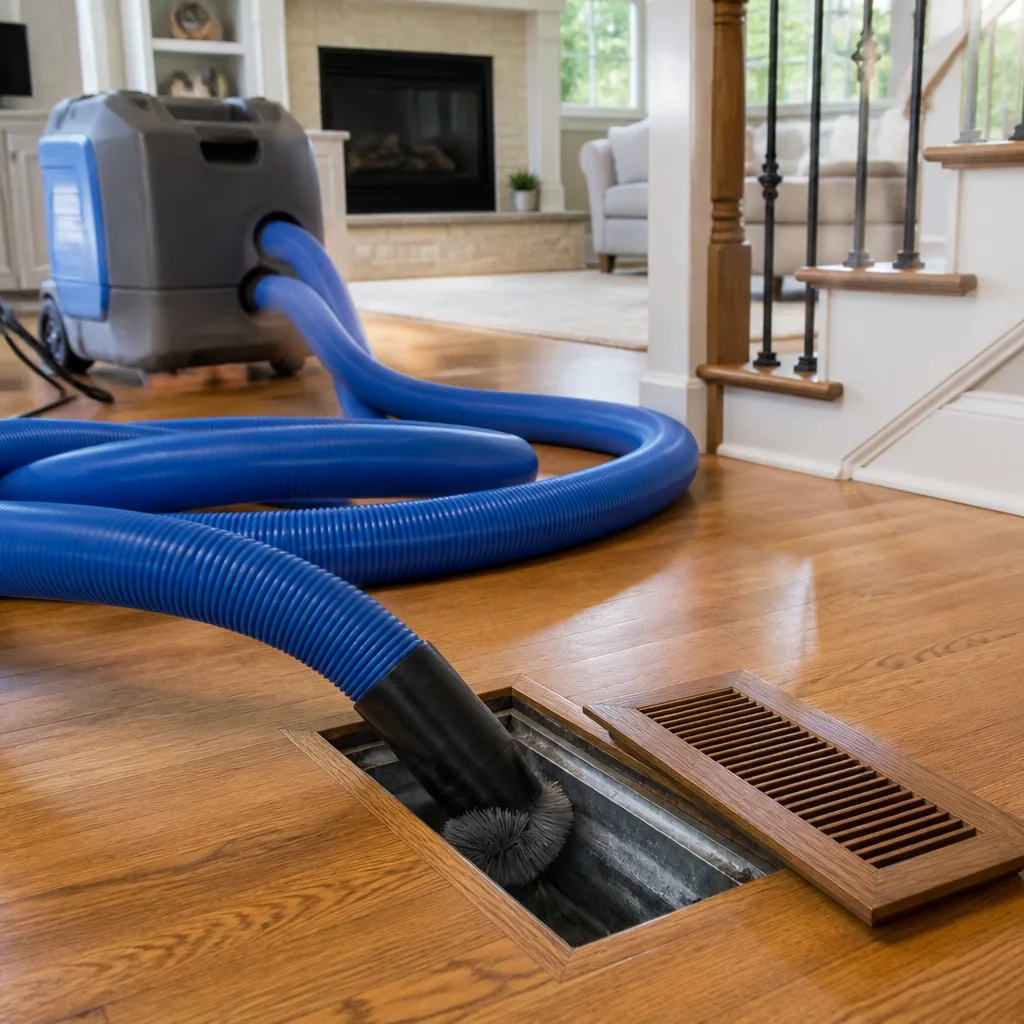 Whole-home duct cleaning
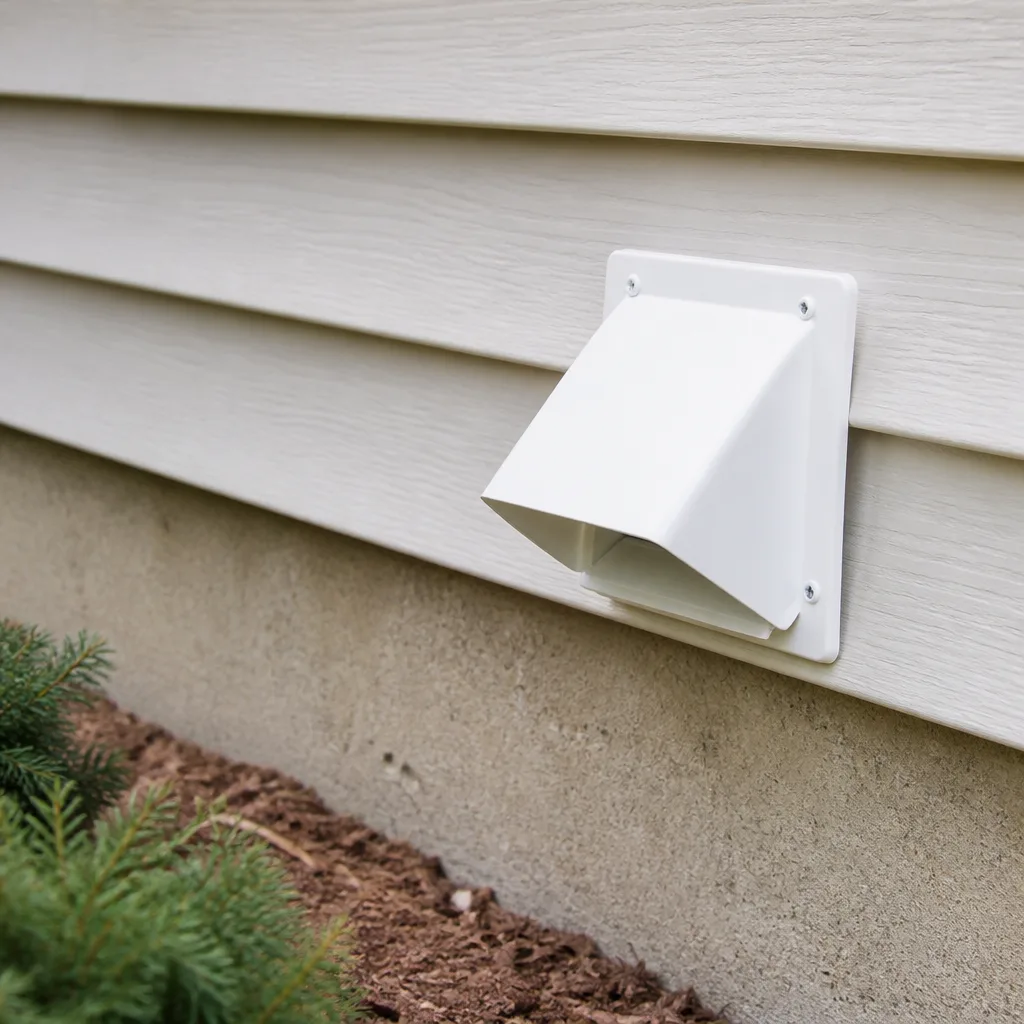 Dryer vent cleaning
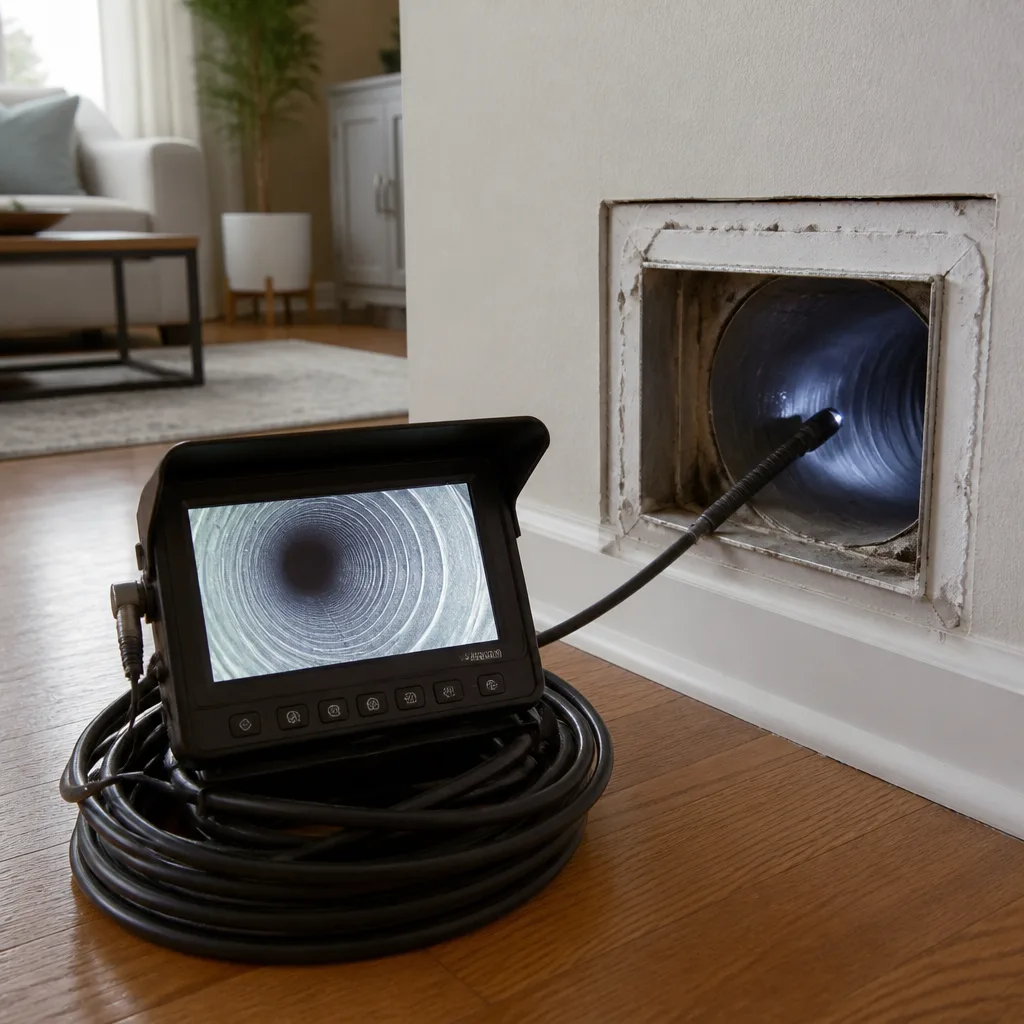 Camera inspection
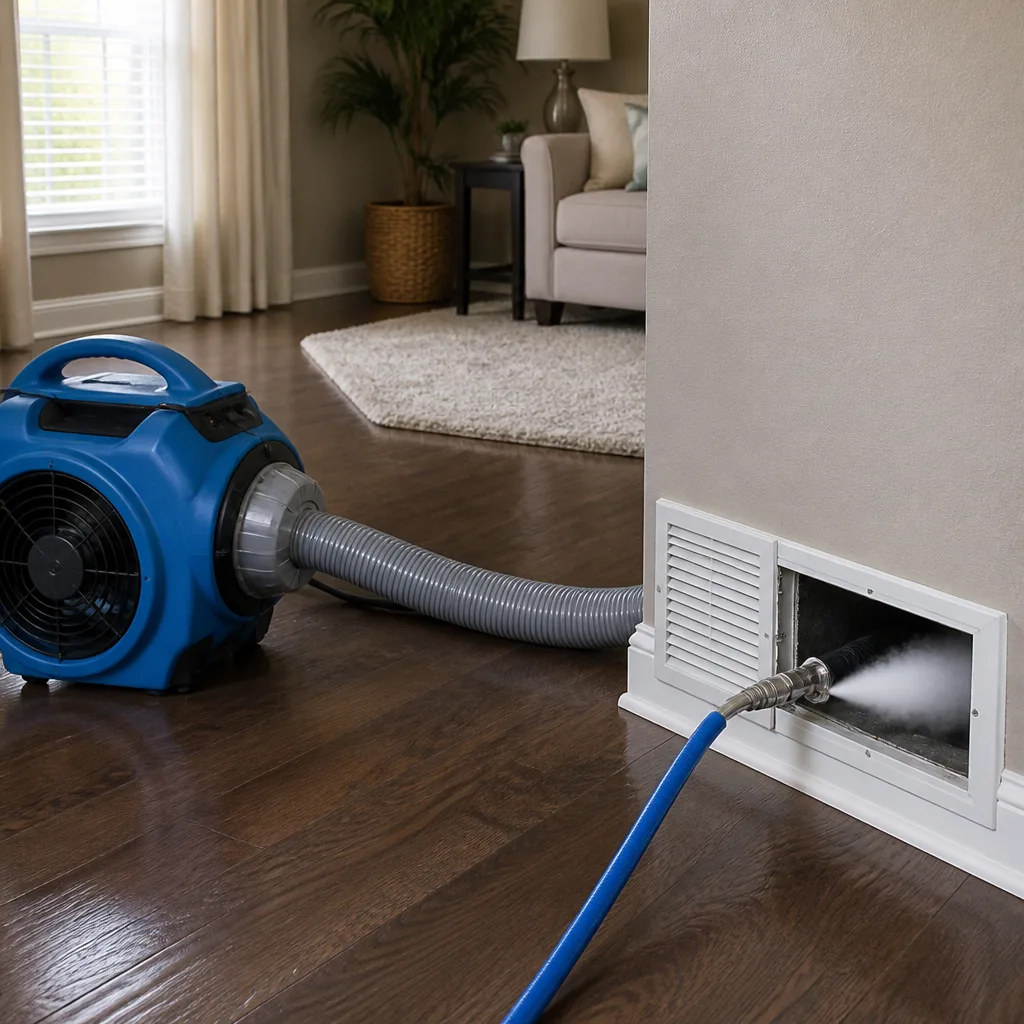 Sanitizing & deodorizing
Whole-system duct and dryer vent check with before-and-after photos - you see exactly what came out of your vents
That "$99 whole-house special" is a bait ad - the real number appears once they are in your hallway, or the "clean" is a shop-vac at the register. We photograph the inside of your ducts before and after instead.
Air Duct Cleaning Permits, Codes & Inspections in Laguna Niguel, CA: What You Need to Know
Here’s a scenario we hear about often in Laguna Niguel: a homeowner books an air duct cleaning, and during the job the technician says, “Good news, we found a disconnected duct and patched it for you, no extra charge.” Most people say thanks and never think twice. But that “bonus” repair is mechanical work. In California, replacing a flex duct section, modifying a plenum, or installing a new access panel during a “cleaning job” without permits is unpermitted construction. The line between maintenance and regulated mechanical work is specific, and knowing where it sits protects your resale value, your insurance standing, and your leverage if something goes wrong later. This guide walks through exactly what requires a permit, what doesn’t, how Orange County inspects duct work, and what Title 24 means for older Laguna Niguel homes.
Quick Answer
Standard air duct cleaning in Laguna Niguel does not require a permit because it is considered maintenance, not construction. However, any duct repair, modification, replacement, or new installation falls under the California Mechanical Code and usually requires a permit from the Orange County Building Division. If a cleaning company patches a duct, replaces a flex section, or installs an access panel without mentioning permits, that work is unpermitted and can create problems at resale.
Styles & brands we work with
- Whole-home duct cleaning
- Dryer vent cleaning
- Camera inspection
- Sanitizing & deodorizing
Table of Contents
- Where Cleaning Ends and Permitted Work Begins
- What the California Mechanical Code Actually Says
- How Orange County Handles Duct Repair Permits
- Title 24 Energy Compliance and Older Laguna Niguel Homes
- What Never Needs a Permit (And What to Document Anyway)
- Questions to Ask Any Duct Contractor Before They Start
- Why the Cleaning-Repair Distinction Matters for Resale and Insurance
Where Cleaning Ends and Permitted Work Begins
The definitive guide to Laguna Niguel duct work starts with a distinction that most homeowners never hear about. Air duct cleaning is the removal of accumulated dust, debris, and particulate from the interior surfaces of an existing duct system. You are not changing the system. You are restoring it to its original condition. The California Building Standards Code treats this as maintenance, and maintenance does not trigger a mechanical permit.
Duct repair, modification, replacement, or extension is different. The moment a technician removes a section of duct, installs a new fitting, patches a torn flex duct with new material, replaces a rusted plenum, or adds a damper that was not there before, the work becomes an alteration to the mechanical system. The California Mechanical Code (CMC), which is Chapter 3 of Title 24 of the California Code of Regulations, applies. Permits are required.
Here is the practical breakdown:
- Cleaning the interior of ducts with rotary brush systems like Rotobrush or negative-air equipment like Nikro: no permit needed.
- Removing and cleaning a register or grille, then reattaching it: no permit needed, as long as the connection is restored as it was.
- Cleaning a dryer vent by removing the terminal and brushing the run: no permit needed. This is a maintenance task, which is why dryer vent cleaning is not a construction activity.
- Taping a minor gap at a joint with mastic or foil tape, where no material is removed or replaced: typically considered maintenance sealing, though it is a gray area and Orange County inspectors prefer to see this documented.
- Replacing a section of flex duct that is crushed or torn: permit required. You are installing new material into the mechanical system.
- Installing a new access panel or cutting a new opening: permit required. This modifies the system.
- Replacing a plenum, coil box, or metal trunk section: permit required.
The cleanest way to think about it: if a part is removed and a new part is installed, that is construction. If the existing part is cleaned and reinstalled, that is maintenance. Laguna Niguel homes, particularly those in the older tracts near Crown Valley Parkway and Niguel Road, tend to have duct systems that are original to the house. A cleaning-only job is straightforward. But a system that old usually needs at least some repair, and that is where homeowners get caught off guard.
What the California Mechanical Code Actually Says
The California Mechanical Code is adopted by reference into Title 24 and applies throughout the state, including every city in Orange County. Chapter 1 of the CMC covers administration and permits. Section 106.1 is the relevant starting point: no mechanical system may be installed, altered, removed, replaced, or repaired without first obtaining a permit from the building official having jurisdiction.
The key phrase is “repaired.” Most homeowners read “repair” as meaning something major, like replacing a furnace. But under the mechanical code, repair includes replacing parts of the duct distribution system. The code does not offer a carve-out that says “minor duct repair is exempt.” The exemption route for small work exists in Section 105.2, but it lists specific items, and ductwork repair is not on that list. So the default rule is: duct repair requires a permit, and any contractor who says otherwise is not reading the same codebook the inspectors use.
That said, building departments understand that air duct cleaning companies exist and that cleaning is not a regulated construction activity. The industry exists entirely apart from the permit process because cleaning does not alter the system. The problem is the hybrid job: a cleaning that turns into a repair. When that happens in Laguna Niguel, the correct step is to stop, document what was found, and either pull a permit or refer the repair to a contractor who will. We clean ducts. If we find damage, we fix it, and we handle the permit side of that repair rather than leaving the homeowner with an undocumented modification.
One more note on the CMC: it is updated every three years. California is currently operating under the 2022 edition, with the 2025 edition adopted but taking effect January 1, 2026. The permit requirement for duct work has not changed between editions. If anything, the trend has been toward more scrutiny of duct sealing and airflow, not less.
How Orange County Handles Duct Repair Permits
Laguna Niguel is an incorporated city, but it does not operate its own building department. The city contracts with the Orange County Building Division for plan check, permit issuance, and inspections. That means a duct repair permit in Laguna Niguel goes through the county, not a city hall desk.
The process for a residential mechanical permit is straightforward, and here is what it looks like step by step:
- Determine the scope. Has ductwork been removed, replaced, or modified? If yes, proceed. If the work is cleaning only, no permit application is needed.
- Prepare a simple description of the work. For a duct repair, this is usually a one-line scope: “Replace approximately 12 linear feet of 8-inch flex duct in attic, seal connections with mastic.” No architectural drawings are needed for a straightforward repair.
- Submit the application to the Orange County Building Division. Laguna Niguel residents use the county’s online portal or the county office. The county accepts mechanical permit applications for the city.
- Pay the permit fee. Fees are based on the valuation of the work. A small duct repair valued at a few hundred dollars will have a correspondingly small fee.
- Complete the work. The contractor performs the repair after the permit is issued.
- Schedule an inspection. A county mechanical inspector comes out to verify the work conforms to the code. For a simple duct replacement, this is usually a visual inspection of connections, support strapping, and sealing.
- Receive final sign-off. The inspection record becomes part of the county’s permit history for the property.
The inspection for a residential duct repair is typically less than thirty minutes. The inspector checks that flex duct is properly supported at the intervals required by the code, that connections are sealed with code-accepted materials, and that the work matches the permit description. None of this is adversarial. It is documentation that the alteration was done to the standard the state requires.
Homeowners sometimes ask why they cannot simply skip this process for a “small” repair. The answer comes down to what a permit actually is: a record. When the county issues a mechanical permit and a final inspection record for your Laguna Niguel property, that record is attached to the parcel. If you sell the house in five years and a buyer’s inspector notices newer duct material, the permit record explains it. Without that record, the buyer’s only assumption is that unpermitted work exists, and that assumption costs sellers real money in negotiation.
Title 24 Energy Compliance and Older Laguna Niguel Homes
Title 24 is the same body of code that contains the California Mechanical Code, but homeowners most often hear “Title 24” in reference to its energy efficiency requirements: Part 6. When duct work is modified or sealed, Part 6 applies in ways that matter for older Laguna Niguel houses.
The state’s building energy efficiency standards have treated leaky ducts as a specifically identified energy problem for decades. Duct leakage means conditioned air is being pushed into attics, chases, and unconditioned spaces instead of into rooms. When a homeowner or contractor modifies duct work, the state expects that modification to bring the affected portion of the system closer to compliance, not leave it leaking.
For a simple repair, this does not mean a full system redesign. An Orange County mechanical permit for replacing a flex duct section will not trigger a complete Title 24 energy compliance review. But it does mean the inspector will look at the sealing of the new connections. Mastic or code-listed tape is required, not duct tape in the consumer sense. The inspector is also likely to take note if the repair exposes other obvious problems, such as disconnected runs or ducts that vent directly into the attic.
Older homes in Laguna Niguel are a particular case. Many of the houses in the original tracts were built before duct sealing was treated as a serious energy issue. A 1980s-era duct system, original to the house, will commonly have leakage at the plenum connections and at register boots. If a cleaning job reveals that condition, the repair discussion is not just about the one damaged section. It is about whether the system as a whole is worth sealing. Re-sealing existing ducts is a repair-permitted activity, and in our experience, it is the single most overlooked improvement for comfort and system performance in older Orange County homes.
Here is the practical point for Laguna Niguel homeowners: before anyone modifies your ducts, ask whether the proposed work will require a Title 24 compliance check. A contractor who answers confidently and explains the difference between a minor repair permit and a more involved alteration is signaling that they understand the code. A contractor who waves the question away is signaling the opposite.
What Never Needs a Permit (And What to Document Anyway)
Air duct cleaning, as we have established, is permit-exempt. So is Duct Cleaning Laguna Niguel work in its purest form: inspection of the system, rotary brush agitation of interior surfaces, negative-air collection of loosened debris, and reassembly of the components that were removed for access. None of this is construction.
But “permit-exempt” and “no documentation” are not the same thing. Here is what we recommend homeowners do even when no permit is required:
- Request a written work report. It should state what was cleaned, what the condition was before and after, and any anomalies that were observed. This is not a legal document, but it is a record.
- Ask for photos. If the company uses a camera to inspect before and after, request those images. They show the condition of the duct interior at a point in time and are genuinely useful five years later if a problem appears.
- Keep the report with your home records. When you sell, a documented cleaning history demonstrates that the system was maintained. It answers a buyer’s question before the buyer has to ask it.
- If the company recommends a repair, ask for that recommendation in writing. A verbal “you should fix that someday” disappears. A written recommendation tells you what needs attention and gives you documentation if you later choose to do the work.
This is the difference between a company that treats duct cleaning as a task and a company that treats the full duct system as something it is accountable for. The report and photos from a cleaning job won’t satisfy a building inspector, because no inspection is required for cleaning. But they will satisfy a future buyer’s agent, an insurance adjuster, or simply your own memory of what was actually done.
Questions to Ask Any Duct Contractor Before They Start
The permit question is the cleanest filter you have for separating legitimate duct contractors from off-the-books operators. But it works best when you ask it before work begins. Here is a step-by-step list of the questions we suggest every Laguna Niguel homeowner put to a duct contractor:
- “If you find damaged ductwork during the cleaning, what happens?” The correct answer includes a stop, a written explanation, a discussion of permit requirements, and a repair quote. The wrong answer is “we’ll just fix it right there for you.”
- “Do you pull mechanical permits for duct repair work?” A specialty duct company that does repair work regularly will be able to answer this immediately. If the answer is a long pause or a hedge, that is your signal.
- “Can I see your written scope of work before you start?” Even permit-exempt work should have a written scope. It protects both parties.
- “What equipment are you using?” We are direct about this: our crews use Rotobrush and Nikro systems, purpose-built for professional duct cleaning, not consumer-grade vacuums being passed off as professional tools. The question reveals whether the contractor has real equipment or a modified shop vac.
- “If I have a Honeywell or Aprilaire whole-home IAQ system, does that change anything?” The answer should be no. Professional cleaning equipment works with these systems, not against them. A contractor who seems confused by the question is likely not familiar with the IAQ equipment installed in many Laguna Niguel homes.
- “What documentation will I receive when the job is done?” The answer should include a work report, and ideally before-and-after photos. This is the record that protects you later.
None of these questions are adversarial. A competent contractor is glad you asked them, because the answers are easy for a legitimate operation to give. Employing equipment from brands like Abatement Technologies and Guardsman to support the cleaning process is normal for a specialist; hiding behind vague answers is not.
Why the Cleaning-Repair Distinction Matters for Resale and Insurance
Most Laguna Niguel homeowners live in houses that were built several decades ago. The original ductwork, in original condition, is not a novelty, it is the norm. That means the question of whether duct work has been modified is a recurring one at resale, because buyers and their inspectors look at the attic and see a system that has clearly been touched or clearly has not.
Unpermitted mechanical work has two predictable consequences. The first is at resale. A buyer’s home inspector who sees newer flex duct sections, new mastic at connections, or an added access panel will reasonably ask when that work was done and whether it was permitted. If the seller cannot produce a permit, the buyer asks for a credit, or walks. The work itself might be perfectly fine, but an undocumented modification is a liability, not because it is a safety problem, but because it is an unanswered question. Title insurance and lending underwriters dislike unanswered questions.
The second consequence involves insurance. A homeowner’s policy covers damage from sudden and accidental events. If a duct system fails because of old, unmaintained materials, that is typically a maintenance issue, not a covered loss. But if a failure traces back to an unpermitted modification, the insurer has a clear basis to deny the claim regardless of the workmanship. The permit record, or the absence of one, changes the outcome of an adjuster’s investigation.
This is why the cleaning-versus-repair line matters so much. A cleaning job with documentation protects you. A repair job with a permit protects you. An unpermitted repair during a cleaning is the worst of both situations: work you didn’t plan for, done in a way that creates a liability you didn’t want. When we clean ducts in Laguna Niguel and find damage, we stop, document it, and give the homeowner a written repair recommendation with permit implications clearly stated. That is not slower. It is the only way to do the job correctly.
Common Mistakes to Avoid
- Accepting a free duct patch during a cleaning. Replacing, modifying, or patching duct material is mechanical work. If it was not permitted, it is now an undocumented alteration on your property. The fix itself may be sound, but the record is now questionable.
- Assuming Orange County won’t care about small duct repairs. The county’s role is to enforce the California Mechanical Code as adopted. It does not classify duct repair as too small to matter, because the code does not carve out that exemption.
- Confusing cleaning with sealing. Cleaning removes debris. Sealing closes leaks. Sealing changes the system’s pressure characteristics and is regulated work, not a maintenance task. Laguna Niguel homeowners often blur this line because both activities happen in the same ducts.
- Losing the paperwork from a cleaning job. A work report and photos are not a permit, but they are a record. Without them, a future buyer cannot distinguish between a maintained system and a neglected one.
- Hiring a contractor who cannot explain the permit process. If a duct company is genuinely unsure whether a repair needs a permit, that is a competency signal. The correct answer for California residential mechanical work is well established.
- Modifying ducts and skipping the Title 24 conversation. Efficient duct sealing is a core energy code concern. A contractor who never mentions it is not doing you a favor by saving paperwork; they are creating a compliance gap.
See the difference
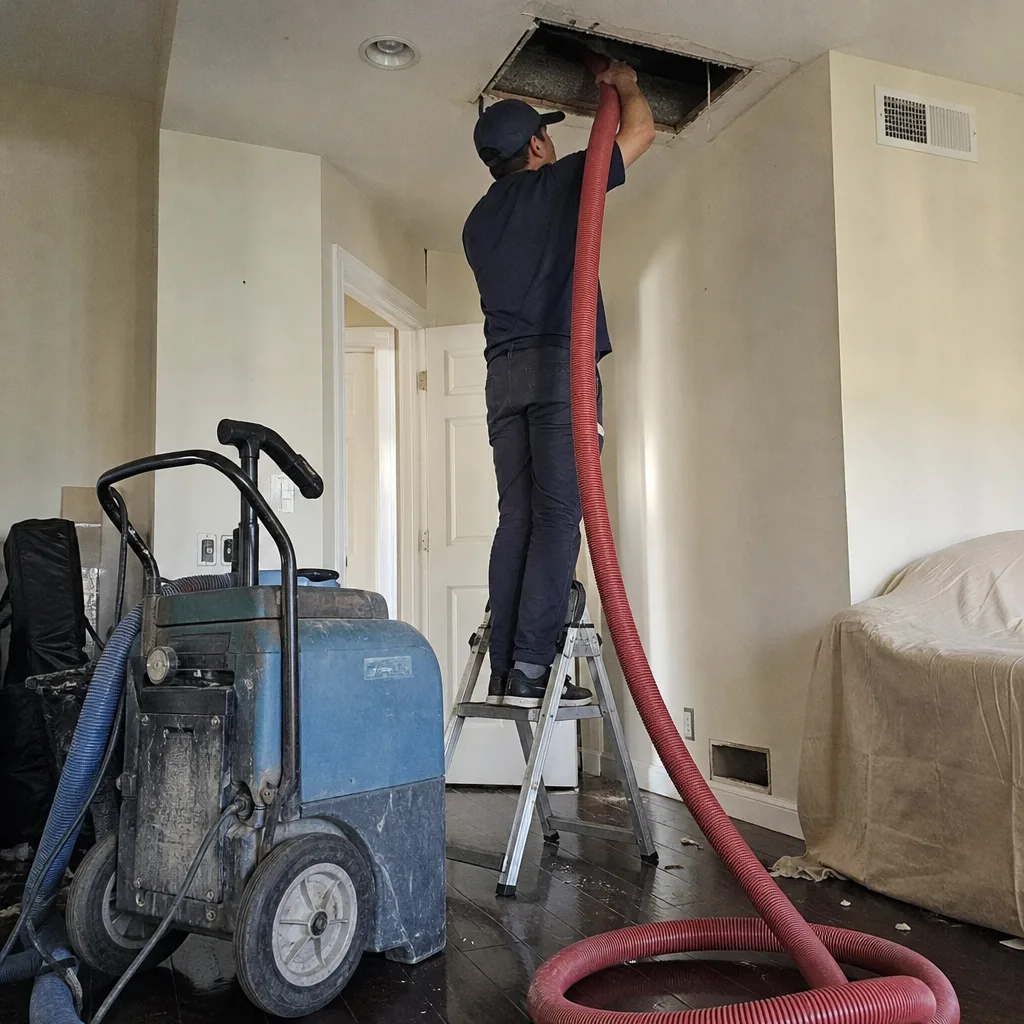 Before
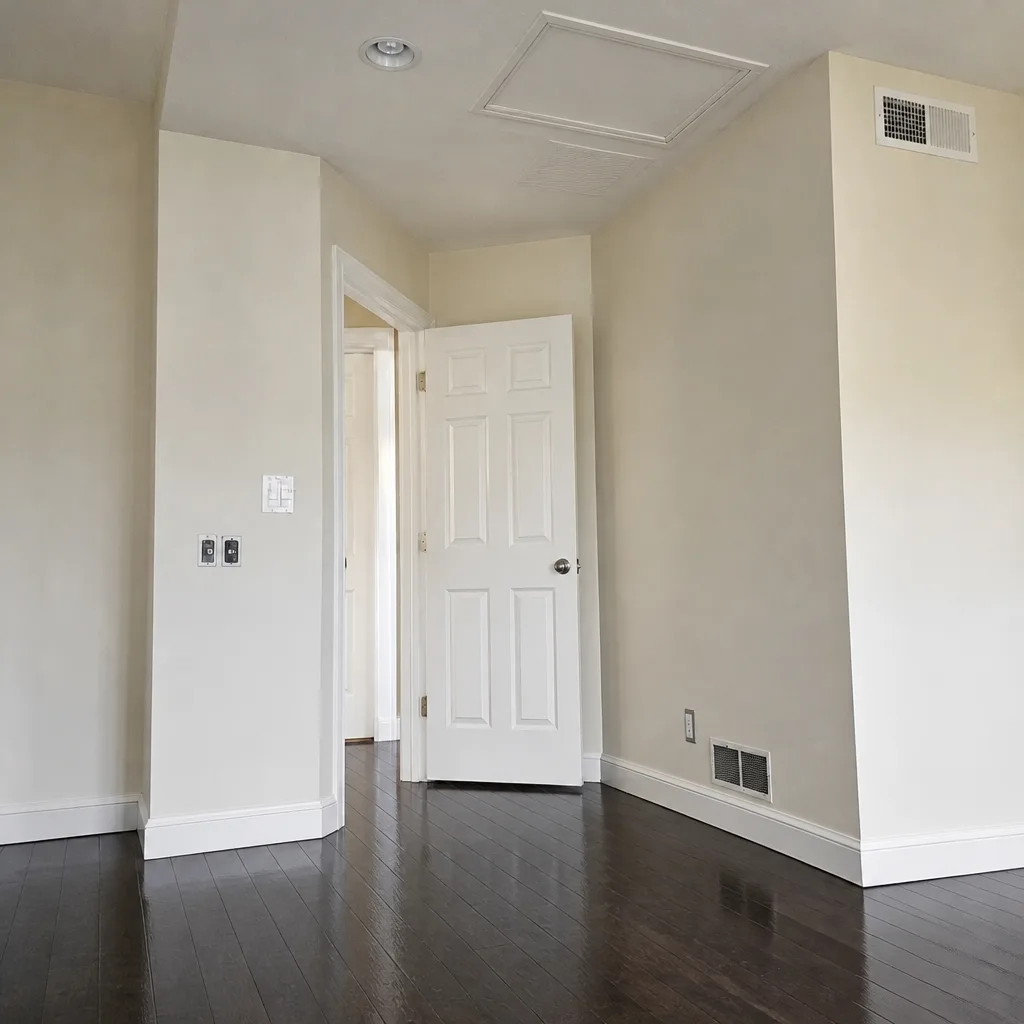 After
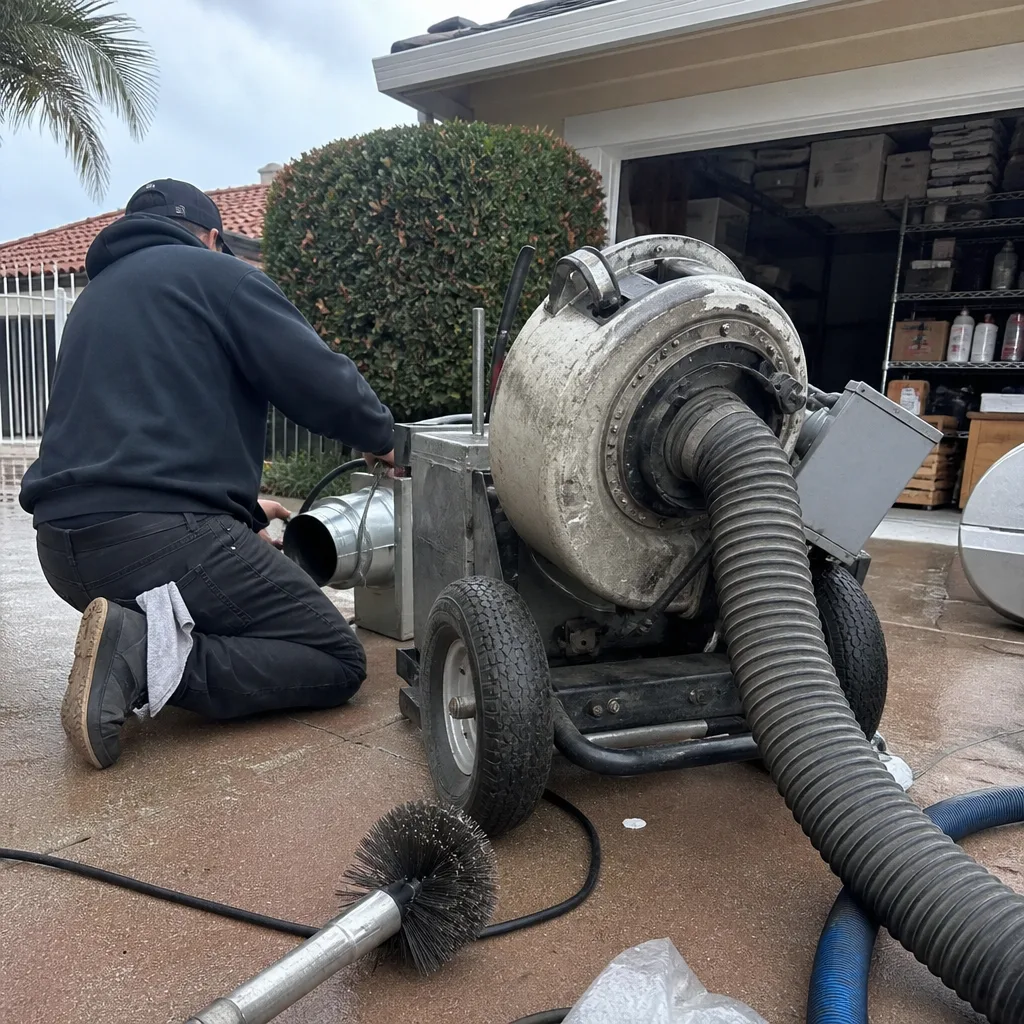 Before
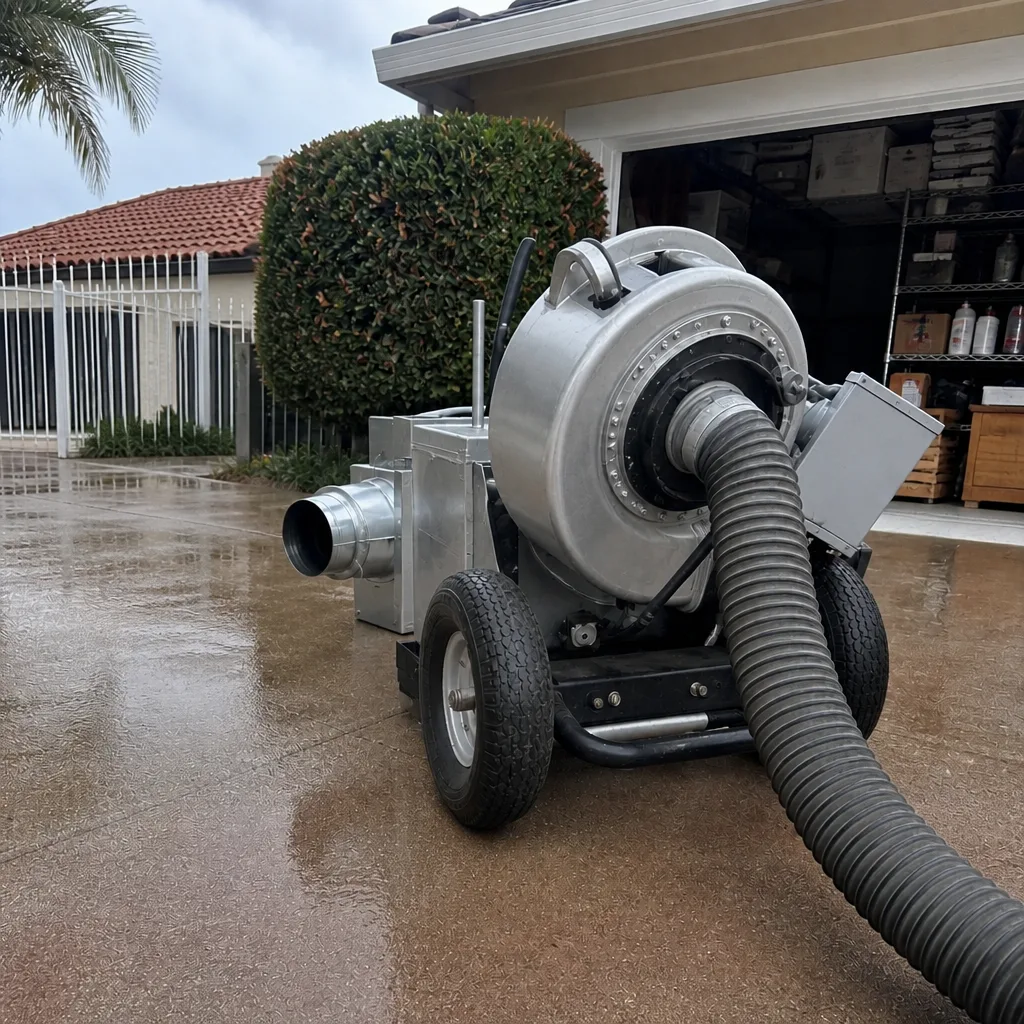 After
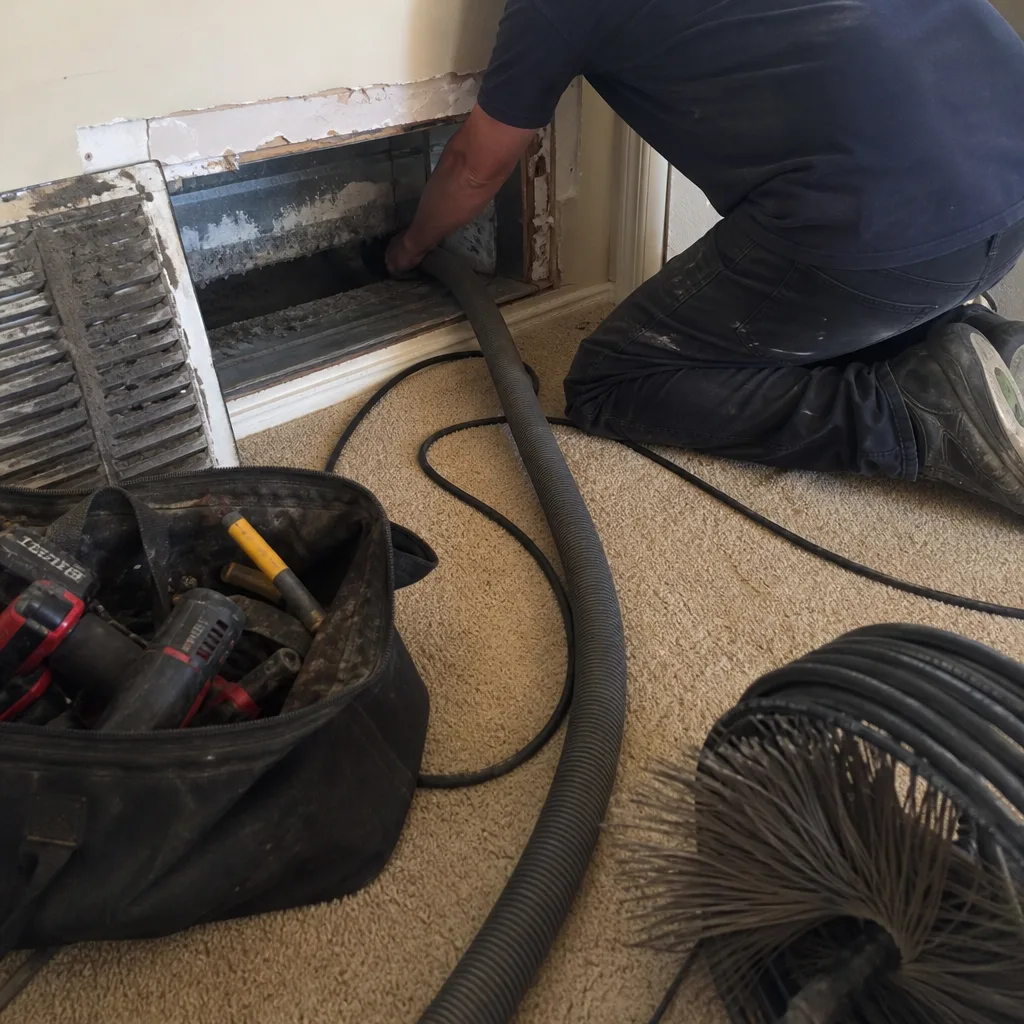 Before
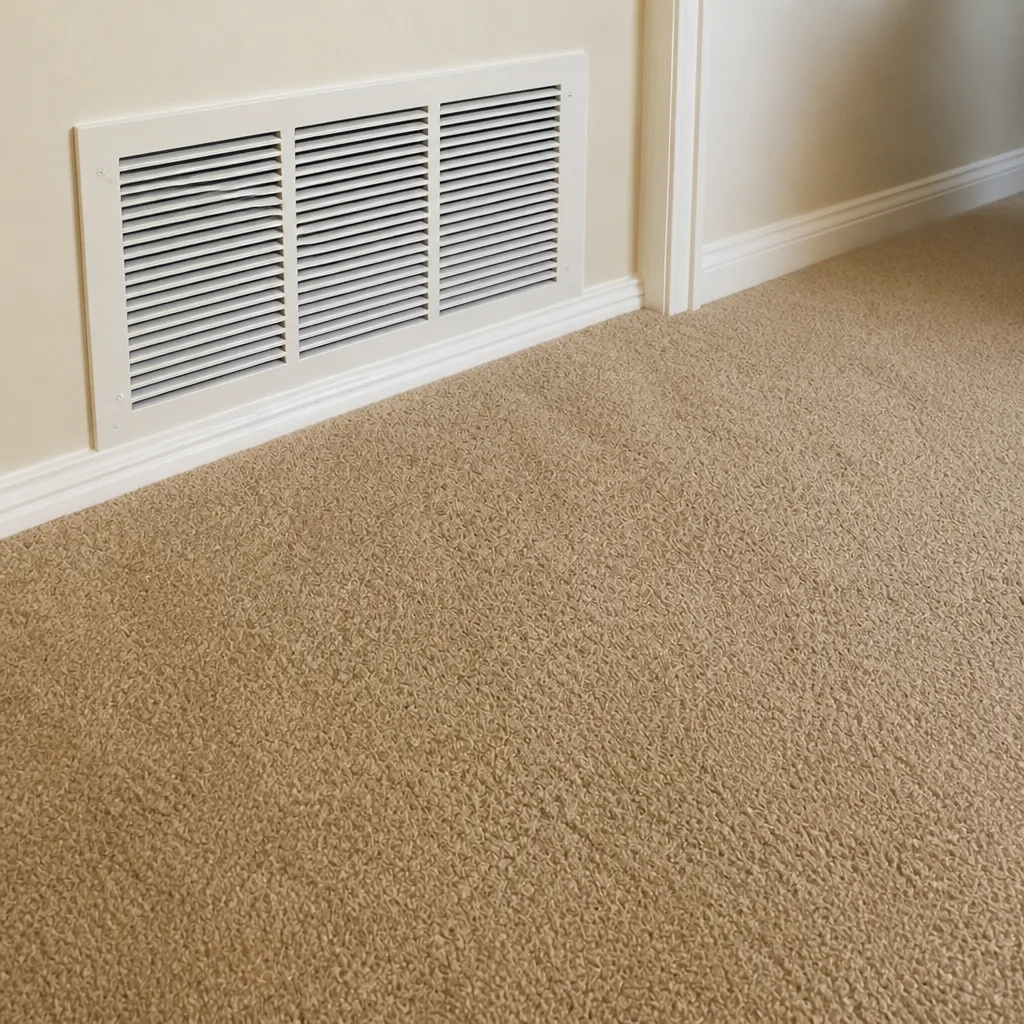 After
When to Call a Professional
Call a duct specialist rather than attempting duct work yourself whenever the job involves anything beyond removing a register and wiping it down. If you can see damaged duct sections in your attic, if a room never seems to get the airflow it should, if you have moved into a Laguna Niguel home with unknown duct history, or if a previous “cleaning” job left you with questions about what was actually done, a professional assessment is the right next step. We inspect first, explain what we find in plain language, and handle the permit work when repairs are needed. Duct Cleaning Laguna Niguel offers free estimates in Laguna Niguel, call (855) 525-6862. We answer 24/7. Fast dispatch from 7am to 7pm, Sunday through Friday.
Frequently Asked Questions
No, standard air duct cleaning in California does not require a permit because it is classified as maintenance, not construction. Cleaning restores the existing system to its original condition without altering it, so the California Mechanical Code’s permit requirement does not apply. However, any repair or modification discovered during cleaning is a different matter and usually requires a permit.
Yes, duct repair, modification, replacement, and new installation are all mechanical work under the California Mechanical Code and require a permit from the Orange County Building Division, which serves Laguna Niguel. The code states that mechanical systems may not be repaired or altered without a permit, and the exemption list does not include ductwork repair. Call (855) 525-6862 for an exact quote on permitted duct repair, estimates are free.
Unpermitted duct work becomes a disclosure issue at resale. A buyer’s inspector or appraiser may identify the newer material or modifications and ask for the permit record. If you cannot produce one, the work becomes a negotiating liability: a buyer may request a credit, or the deal may stall. The permit record is the proof that the work conformed to code, and without it, the work is unprotected.
Yes, Title 24 Part 6 energy standards address duct leakage, so when ducts are modified or sealed, the work must use code-accepted materials and methods. For a simple flex duct replacement in Laguna Niguel, this typically means the inspector checks that mastic or listed tape was used at the connections, not consumer duct tape. A repair does not usually trigger a full energy compliance review, but the sealing quality is inspected.
Ask directly whether the company pulls mechanical permits for repair work and whether they can describe the Orange County permit process. Ask what happens if they find damage during cleaning. Legitimate companies stop, document the finding, explain the permit requirement, and quote the repair separately. Companies that patch ductwork during a cleaning without mentioning permits are doing unpermitted mechanical work, and that should be a disqualifier.
Keep the written work report, any before-and-after photos, and any repair recommendation in writing. This documentation is not a permit, but it is a record that the system was maintained, which helps at resale and in insurance discussions. For repair work, keep the permit and final inspection record from Orange County with your home documents. Call (855) 525-6862 for a free estimate, estimates are free.
The Bottom Line
Air duct cleaning in Laguna Niguel is permit-exempt maintenance. Duct repair, modification, and replacement are regulated construction that requires an Orange County mechanical permit. The line between the two is not academic: it determines whether your home has a clean record or a hidden liability at resale and in insurance claims. Title 24 energy standards add another layer, particularly for older homes with original duct systems. The practical rule is simple: clean freely, repair with a permit, and never accept an off-the-books duct patch during a cleaning visit. If a contractor is vague about the permit question before work begins, find one who is not.
Written by the team at Duct Cleaning Laguna Niguel, serving Laguna Niguel since 2011.