
Last updated November 5, 2026
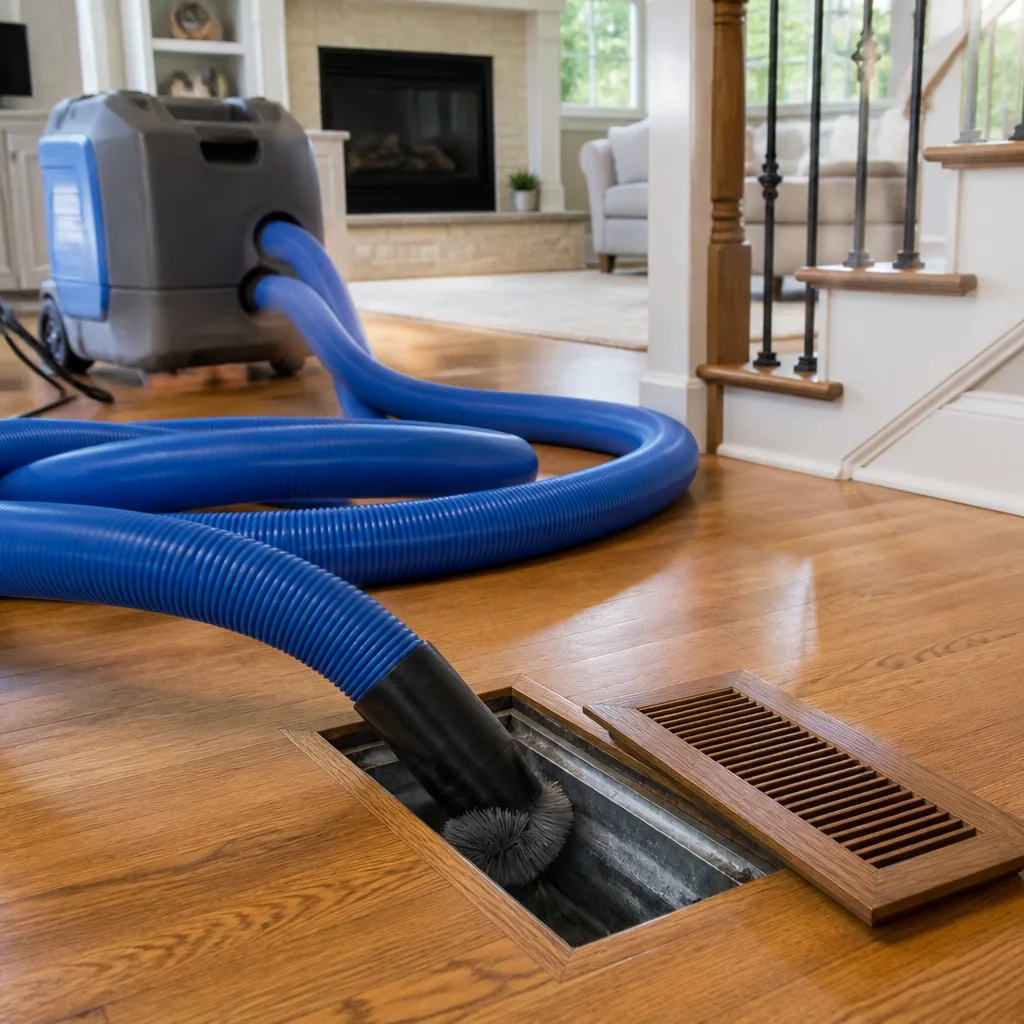 Whole-home duct cleaning
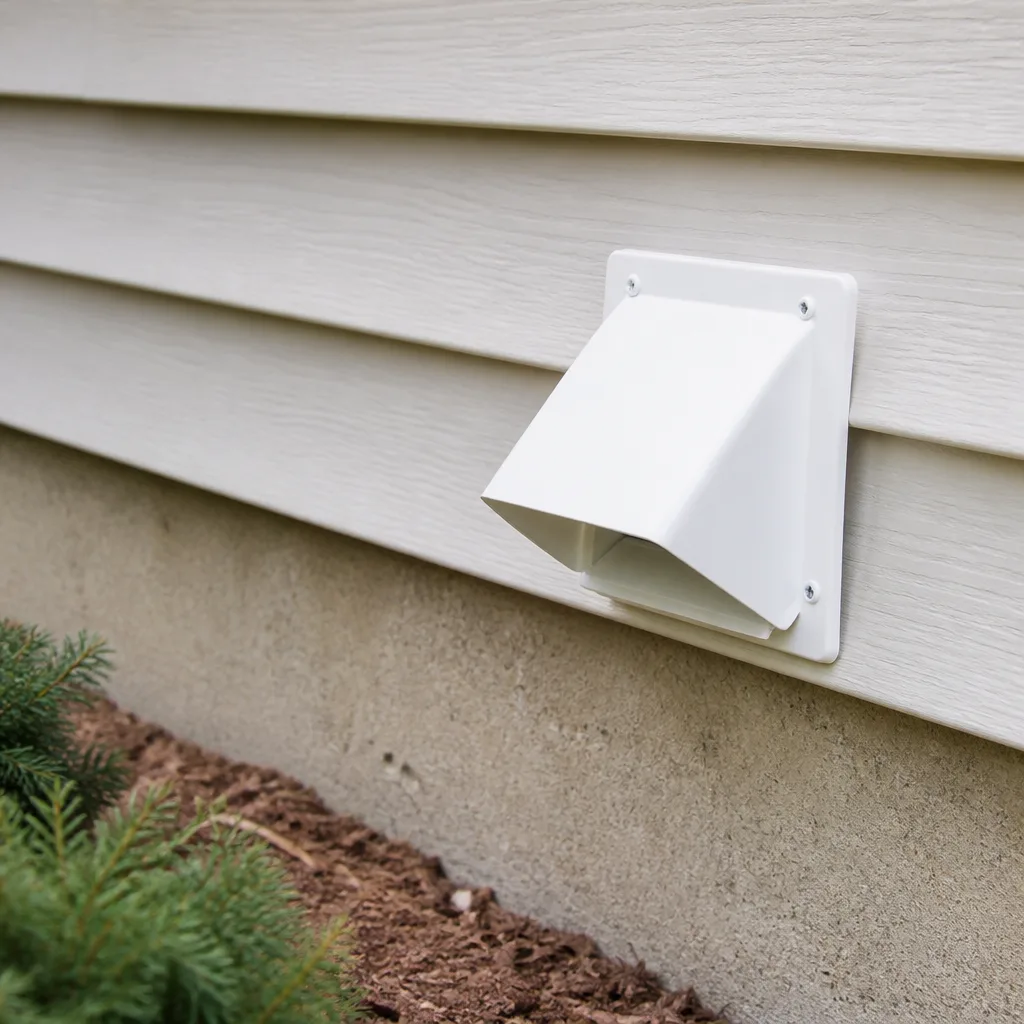 Dryer vent cleaning
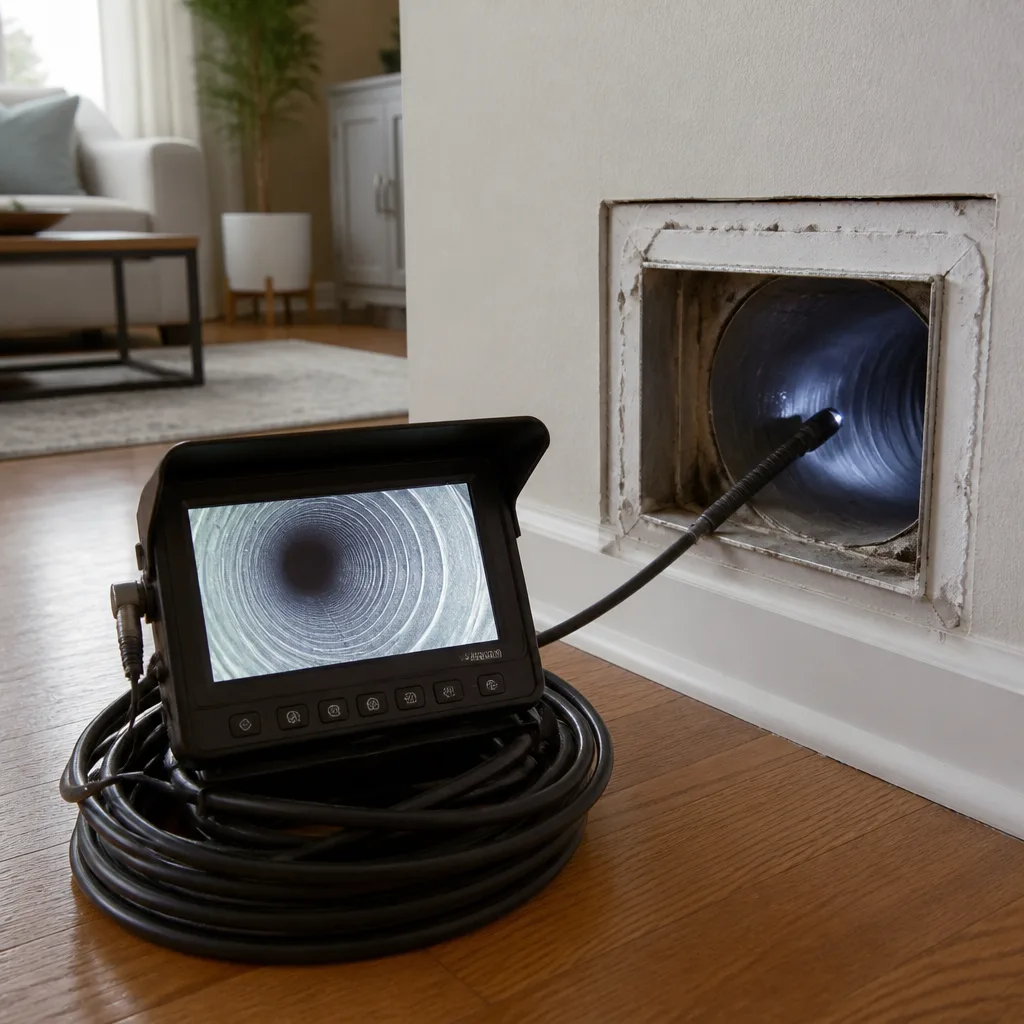 Camera inspection
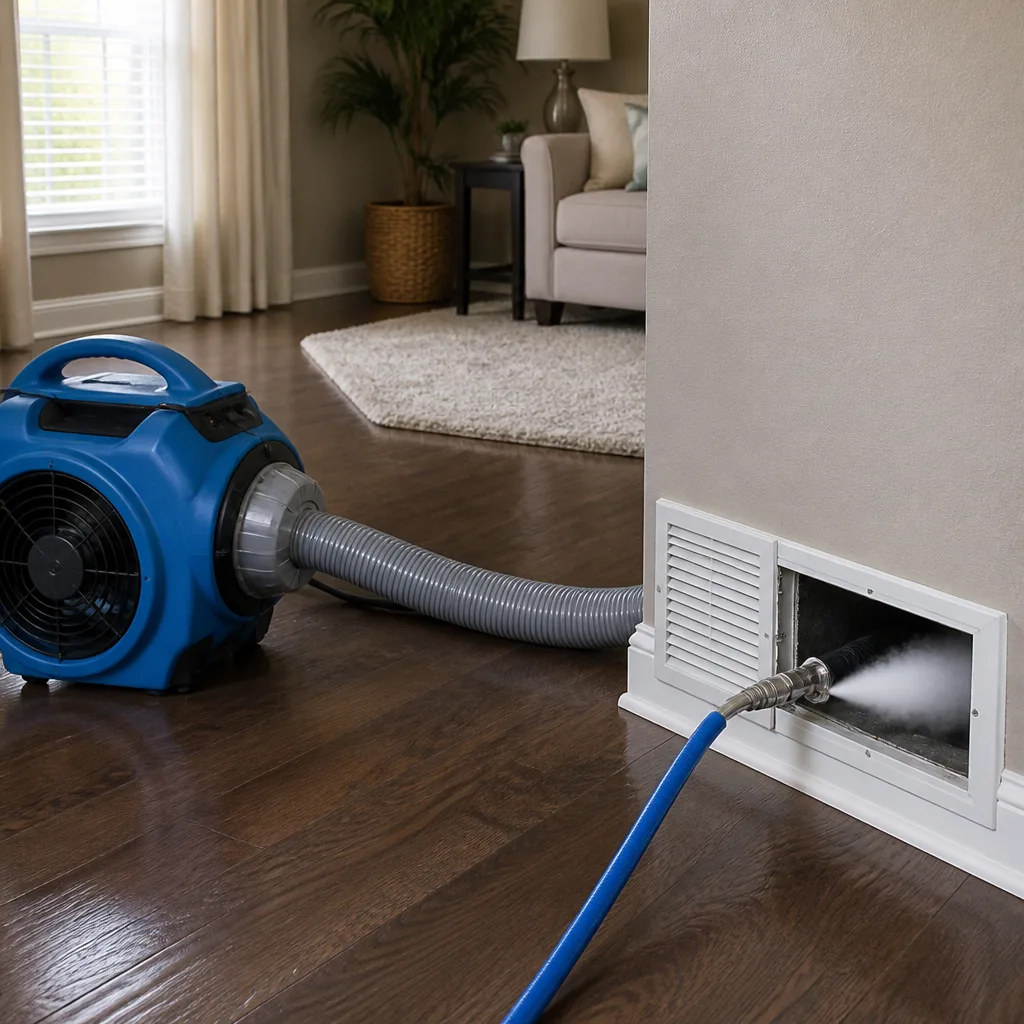 Sanitizing & deodorizing
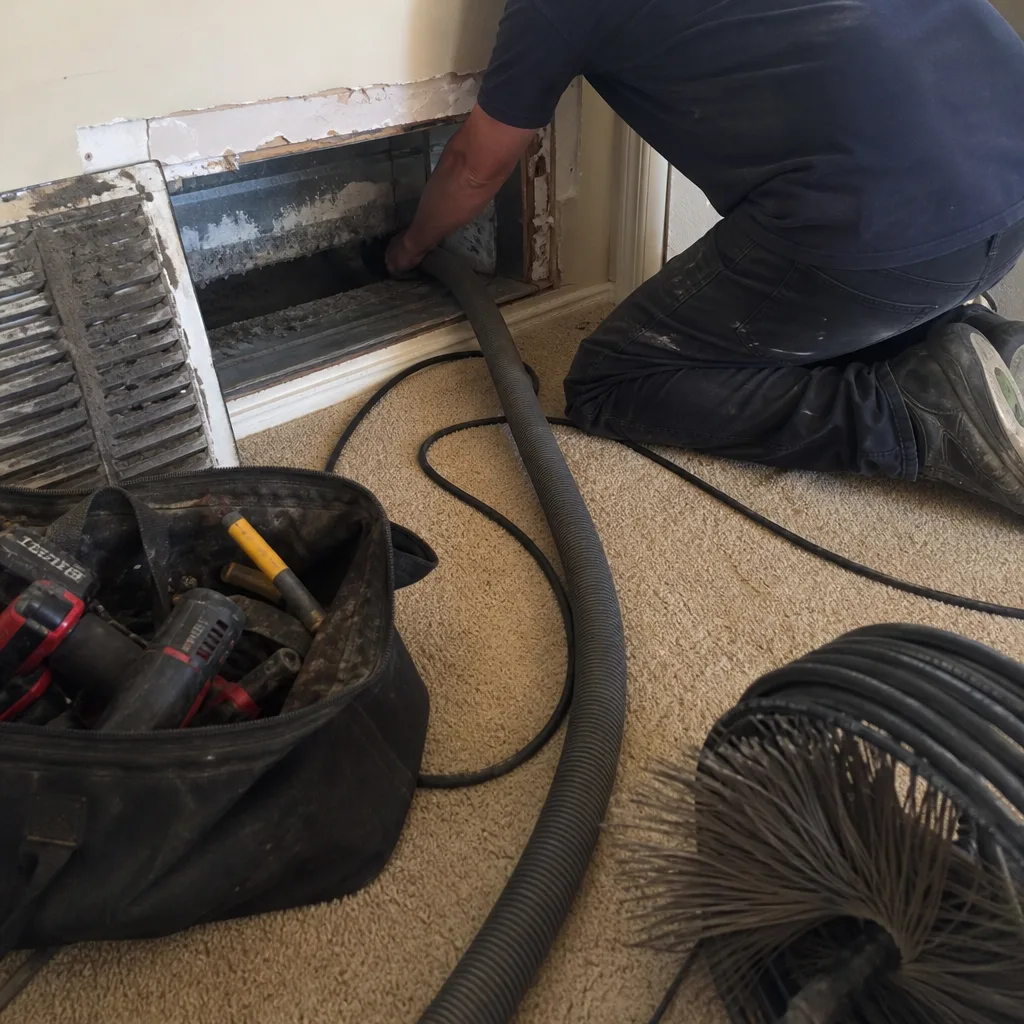
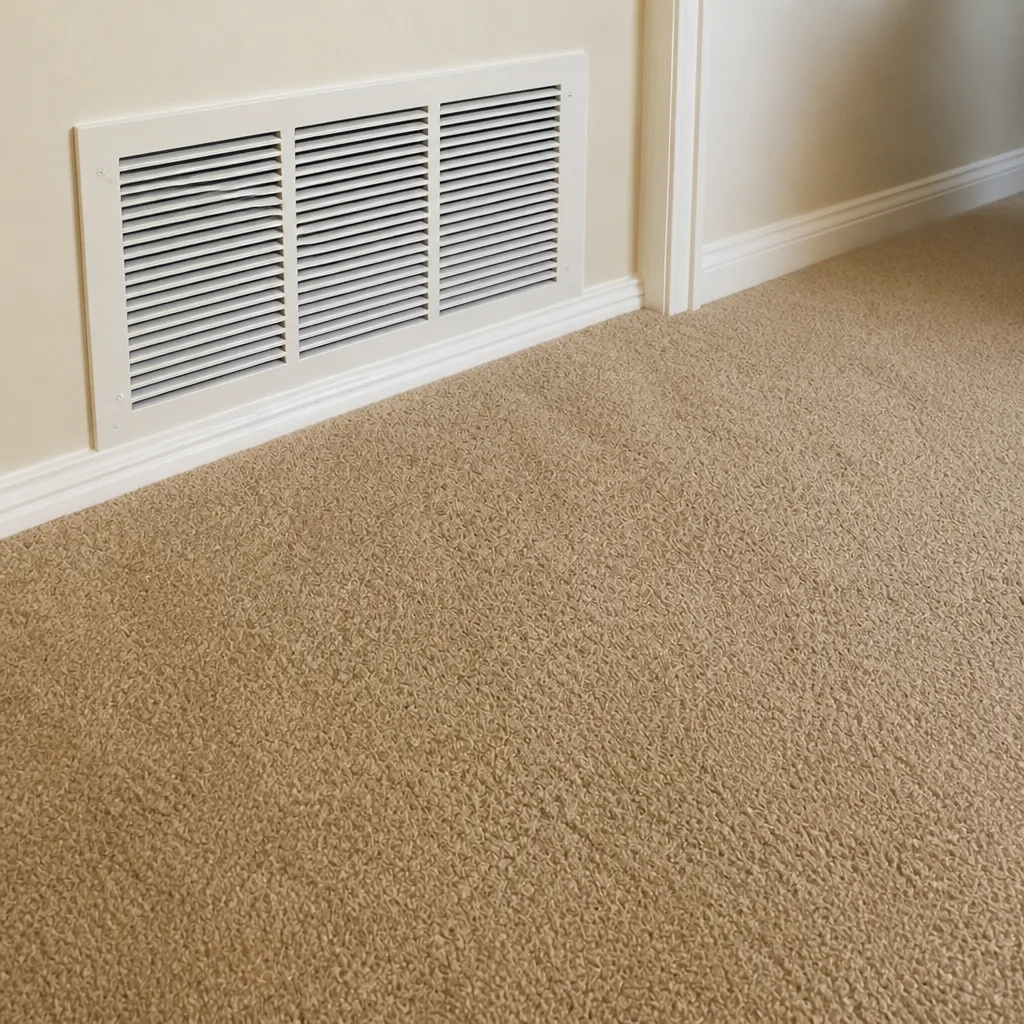
Whole-system duct and dryer vent check with before-and-after photos - you see exactly what came out of your vents
That "$99 whole-house special" is a bait ad - the real number appears once they are in your hallway, or the "clean" is a shop-vac at the register. We photograph the inside of your ducts before and after instead.
Air Duct Cleaning Maintenance Checklist for Laguna Niguel Homeowners
Replacing a filter on schedule while ignoring a loose return plenum connection is like changing your car’s oil while the coolant leaks out: the routine task masks the real problem. Most Laguna Niguel homeowners have been told to “change the filter every 90 days” so many times they assume that’s the whole job. It isn’t. This checklist reframes duct maintenance as a monitoring system, not a cleaning schedule. It teaches you what to look at, what to log, and when a visual check stops being enough and professional evaluation becomes the responsible next step. You’ll learn the specific inspection points that matter in Laguna Niguel homes, where coastal particulate, salt-air hardware corrosion, and variable wildfire smoke seasons create a maintenance profile that’s different from inland Orange County.
Styles & brands we work with
- Whole-home duct cleaning
- Dryer vent cleaning
- Camera inspection
- Sanitizing & deodorizing
Quick Answer
A proper air duct maintenance checklist for Laguna Niguel breaks into three tiers: monthly register and filter checks, semi-annual visible ductwork and hardware inspections, and an annual professional assessment with equipment that can see what you can’t. Homeowners can handle visual inspections of supply and return registers, filter condition, and exposed duct joints. What requires a professional is anything involving airflow measurement, internal duct-wall inspection, or the condition of fasteners and connections inside wall cavities and attic spaces, where air duct cleaning equipment like Rotobrush rotary brush systems and Nikro negative-air machines provide data a flashlight cannot.
Table of Contents
- Monthly Register and Filter Checks
- Semi-Annual Visible Hardware Inspection
- Annual Professional Assessment
- Salt-Air Corrosion Checks for Metal Ductwork
- What to Log After Each Inspection
- Homeowner Territory vs. Professional Assessment
- Wildfire Smoke and Seasonal Particulate
- Dryer Vent Maintenance Checklist
- Common Mistakes to Avoid
- When to Call a Professional
- Frequently Asked Questions
- The Bottom Line
Monthly Register and Filter Checks
Most duct problems announce themselves at the register before they show up anywhere else. A monthly walk-through takes fifteen minutes and gives you a baseline that makes anomalies obvious. Start with the filter. In Laguna Niguel, where coastal particulate and seasonal wildfire smoke push more airborne material through the system, a filter that looks dirty at thirty days is telling you something about the air moving through your home, not just about the filter’s age. Note the filter’s condition in a simple log: date, visual state (clean, light gray, heavy buildup), and whether you see any gaps around the filter frame. A filter that doesn’t seat snugly allows unfiltered air to bypass the media entirely, which means particulate enters the ductwork downstream of the filter and accumulates on the coil and interior duct walls.
Next, walk the supply registers. Here’s the monthly sequence:
- Check airflow at each supply register. Hold a tissue or lightweight strip of paper near the register with the system running. Compare register to register. One register with noticeably weaker airflow than others suggests a disconnected joint, a kinked flex duct, or a damper that has shifted closed on its own.
- Look at the register face and surrounding ceiling or wall. Gray streaks radiating outward from a register indicate particulate-laden air is leaking around the register boot and depositing on drywall. This is a sign the boot-to-drywall seal has failed, not just that the register needs wiping.
- Remove the register cover if accessible and look inside the boot. Visible dust accumulation on the interior surfaces of the boot within a month of cleaning suggests the duct run upstream is shedding material or there’s a breach pulling in attic or wall-cavity air.
- Log everything, even when it’s normal. The log’s value compounds. Three months of consistent readings mean the month something changes, you’ll recognize it immediately.
Semi-Annual Visible Hardware Inspection
Every six months, expand the inspection beyond registers to the visible portions of the duct system. In most Laguna Niguel homes, this means attic runs, garage-mounted plenums, and any exposed ducting in utility closets. The goal here is to catch mechanical degradation before it becomes airflow loss or contaminant entry.
What to inspect visually:
- Flex duct condition. Look for sagging between support straps. A sagging flex duct creates a low point where condensation can collect, and it reduces effective airflow. Sagging also stresses the inner liner, eventually separating it from the insulation.
- Joint connections. Where duct sections meet, look for gaps, visible tape peeling, or mastic cracking. A separated joint in an unconditioned attic pulls in hot, dusty attic air in summer and cold air in winter, and it’s one of the most common findings on professional duct assessments.
- Support straps and hangers. Loose or missing hangers allow movement, and movement wears connections. A duct that bounces slightly when the system starts is slowly working its joints apart.
- Insulation condition. Look for compressed, torn, or missing insulation on metal duct surfaces. In Laguna Niguel’s mild climate, insulation is less about freeze protection and more about preventing condensation on cold duct surfaces during humid months, which can lead to water staining on surrounding materials.
- Return plenum connections. This is the point this guide opened with, because it’s the one homeowners most often miss. A loose return plenum connection means the system is drawing air from wherever the gap leads, not from the return registers, and that air is unfiltered by definition.
Two of these inspections per year, timed around the spring and fall when you’re already adjusting thermostat habits, gives you a solid mechanical baseline. Write down what you see, even if it’s “no change from last check.”
Annual Professional Assessment
Once a year, a professional evaluation makes sense for most Laguna Niguel homes. This is not the same as an annual cleaning, and a trustworthy technician won’t insist you need one every twelve months regardless of what your system looks like. What they’ll do is inspect the things you cannot see: interior duct-wall condition via camera or access points, static pressure readings that reveal airflow restrictions, and connection integrity in inaccessible cavities. This is where equipment matters. A company running a Nikro negative-air system or equivalent professional-grade setup is measuring and observing, not just running a brush through because it’s been a year.
The annual assessment should answer three questions:
- What’s the actual interior condition of the ductwork? Surface-level register inspection can’t tell you whether the main trunk line is accumulating a dust film or whether the flex runs are intact along their full length.
- Are there leaks in the system, and where? Duct leakage testing quantifies what visual inspection can only hint at. A home losing 20 percent of conditioned air through duct leaks is paying to condition an attic.
- Does anything need repair, not just cleaning? This is the distinction that separates a genuine duct specialist from a cleaning-only outfit. If a joint has separated, cleaning around it solves nothing. The company that can identify and repair the separation, as Duct Cleaning Laguna Niguel does, addresses the actual problem during the same visit.
Salt-Air Corrosion Checks for Metal Ductwork
Laguna Niguel sits close enough to the Pacific that salt-laden air reaches exposed metal in attics, garages, and exterior-mounted components. It’s not the dramatic marine environment of a beachfront property, but it’s enough to accelerate corrosion on fasteners, hangers, and exposed duct connections over a period of years. A monthly check won’t reveal this. A semi-annual inspection with a flashlight will, if you know what to look for.
Corrosion points worth checking in your semi-annual walkthrough:
- Galvanized steel hangers and straps. Look for white or rust-colored powder at contact points and screw holes. This is the earliest visible stage of galvanic corrosion, and it means the hanger is degrading while the duct itself may still be sound.
- Exposed sheet metal screws on duct joints. Rust on screw heads can indicate moisture in the duct run, not just ambient humidity. If screws are rusting while surrounding metal is clean, check for condensation inside that section.
- Plenum connections in unconditioned garages. The garage environment in Laguna Niguel, warm and often humid, combined with coastal air intrusion, creates the most aggressive corrosion conditions for exposed HVAC components. Check these connections twice a year.
- Dryer vent termination and exterior duct runs. Metal dryer vent caps, especially older galvanized ones, corrode faster than most homeowners expect. A corroded cap that no longer closes properly is an entry point for pests and outside air.
Corrosion found early is a maintenance item: clean, treat, replace the fastener, reseal the joint. Corrosion found late means joint failure, separation, and the need for duct repair that could have been avoided with a checklist.
What to Log After Each Inspection
A maintenance log turns your observations into diagnostic history. The professional who arrives for an assessment doesn’t need your memory of what things looked like six months ago; they need your records. A simple notebook or a notes app works. The key is consistency.
Here’s the minimum useful log format:
- Date and type of check (monthly, semi-annual, annual).
- Filter condition and replacement date. Include the filter brand, size, and MERV rating if you switch products, so you can correlate performance changes with filter changes.
- Airflow observations by register. Note which registers felt strong, weak, or different from last time. Use simple terms: normal, weak, noisy, no change.
- Visible changes at registers. New streaking, dust accumulation, discoloration, or a register that’s harder to remove.
- Ductwork observations. Sagging, new tape peeling, visible gaps, corrosion at fasteners, condensation staining.
- Anything unusual you noticed but can’t explain. New sounds when the system starts, a room that feels stuffier than others, a slight musty note from a particular register. These are exactly the details a professional wants.
- Service performed and findings. If a professional cleaned, repaired, or tested the system, note what was done and what they found. That record is your baseline for the next inspection cycle.
This log is what separates a homeowner who monitors their system from one who waits for a problem. It also makes professional visits more productive, because the technician can go straight to the areas you’ve flagged rather than starting from zero.
Homeowner Territory vs. Professional Assessment
There’s a clear line between what a thorough homeowner can inspect and what requires professional equipment and training. Knowing that line keeps you from missing real problems and from spending on service calls you don’t need.
Homeowner territory: register faces and boots within arm’s reach, visible filter condition and seating, visible duct runs in attics and garages, hanger and strap condition, joint connections you can see and touch, corrosion on exposed metal, and airflow feel at each register. These are visual and tactile checks anyone can learn in one walkthrough.
Professional territory: anything requiring access into wall cavities, interior duct-wall inspection, static pressure measurement, airflow measurement at the register with a calibrated instrument, duct leakage testing, and evaluation of whether accumulated material is normal dust or something that indicates a breach. Professional equipment also matters: a Rotobrush system with its rotating brush and vacuum collection can remove material a consumer vacuum cannot reach, and Nikro negative-air equipment maintains containment during cleaning, which matters if the ductwork has significant buildup. These machines are built for the job, not adapted from a garage setup.
The rule we use with homeowners: if your checklist item is “look at it,” that’s yours. If it’s “measure it,” “access it by cutting an opening,” or “determine whether this is normal,” that’s the professional’s. Cross that line and you risk misdiagnosing your own system, which is more expensive than the assessment would have been.
Wildfire Smoke and Seasonal Particulate
Laguna Niguel’s proximity to wildland areas means smoke seasons are a real variable in duct maintenance. When wildfire smoke settles over the region, it doesn’t just affect outdoor air. Homes pull smoke particulate inside through ventilation, open doors, and even small gaps in the building envelope. Once inside, the HVAC system circulates it, and the filter becomes the front line.
Here’s what changes during smoke season:
- Filter loading accelerates dramatically. A filter that normally lasts 60 to 90 days can load in two weeks during heavy smoke conditions. The filter is doing its job, and that means checking it more frequently during and immediately after smoke events.
- Smoke particulate is fine. The smallest particles from wildfire smoke are the ones that penetrate deepest into both lungs and duct systems. They also pass through lower-MERV filters. If your home uses a basic fiberglass filter, smoke season is when that choice shows its limits, and visible dust accumulation on registers within days of a smoke event tells you the system is distributing more than it’s capturing.
- Post-smoke assessment matters. After a significant smoke season, the interior duct surfaces may have accumulated a fine particulate film even if the filter was changed diligently. This is a reasonable trigger for a professional assessment, especially if anyone in the home notices persistent irritation that correlates with time spent indoors.
Homes with higher-MERV filtration or supplemental IAQ equipment from brands like Honeywell or Aprilaire tend to handle smoke seasons better, but the ductwork still needs inspection. A whole-home filtration system working with a duct system that has a leak is filtered air leaving through a hole while unfiltered air enters through another.
Dryer Vent Maintenance Checklist
The dryer vent is part of the air-moving system in your home, and it’s the one most directly tied to a fire hazard. Lint buildup is the leading cause of dryer-related house fires, and it’s a maintenance item that responds well to routine attention. Dryer vent cleaning is a separate service from duct cleaning, but it belongs on the same homeowner checklist.
- Monthly: Clean the lint screen before every load, and check the vent termination outside while the dryer runs. You should feel a steady flow of warm, humid air. Weak flow means restriction somewhere in the run.
- Semi-annual: Visually inspect the vent run if accessible, looking for kinks, sagging, or crushed sections. Check the termination cap for lint accumulation on the flapper and corrosion on metal components, which Laguna Niguel’s coastal air accelerates.
- Annual: Schedule professional dryer vent cleaning. A professional uses equipment that reaches the full length of the run, removing the fine, compacted lint that a homeowner cannot access from either end. If the run is long, has multiple bends, or passes through inaccessible space, this annual service is non-negotiable.
- Any sign of longer drying times: Clothes that need two cycles, a dryer exterior that runs hot, or a burning smell when the dryer runs are all indicators of restricted airflow. Address these promptly rather than waiting for the annual schedule.
Common Mistakes to Avoid
- Changing the filter and calling it maintenance. The filter is one component of a system with dozens of joints, connections, and surfaces. Filter replacement addresses one failure mode. It doesn’t address leaks, corrosion, or interior buildup.
- Assuming visible register cleanliness means clean ductwork. A clean register face tells you nothing about the interior of the duct run feeding it. Duct interiors can hold significant material while registers look fine, because the register is downstream of the accumulation.
- Ignoring a single weak register. One register with poor airflow while others run strong is a diagnostic clue, not an acceptable variation. It points to a specific location where something has changed in the duct run.
- Skipping semi-annual checks because “nothing has ever been wrong.” The value of the log is in the trend. Two checks a year that show no change are not wasted effort; they’re the baseline that makes the first sign of change detectable.
- DIY duct sealing with the wrong materials. Duct tape, despite the name, is not the right product for sealing ductwork. Improper sealing materials fail quickly and can make a small leak into a larger problem by adding material that must be removed before a proper repair.
- Letting dryer vent cleaning slide because the dryer “still works.” The dryer continuing to dry clothes is not evidence the vent is clear. A restricted vent makes the dryer work harder and run hotter, and the appliance compensates until the restriction becomes severe enough to trigger a limit switch or create a fire condition.
- Waiting for a smell or visible problem before calling a professional. By the time a duct problem announces itself through smell, visible debris, or a failing component, it has usually been developing for months or years. The checklist exists to catch it before that point.
When to Call a Professional
Call when your checklist flags something you cannot evaluate yourself: a register with persistently weak airflow, visible joint separation in an attic run, corrosion that has progressed beyond surface powder, a filter that bypasses air around its frame, or smoke-season particulate accumulation you can see inside accessible boots. Call when your log shows a change from baseline that you can’t explain. Call when the dryer vent hasn’t been professionally cleaned in over a year, or when drying times stretch noticeably longer. These are moments when a trained assessment with the right equipment answers questions a visual check cannot. Duct Cleaning Laguna Niguel offers free estimates in Laguna Niguel. Call (855) 525-6862. We answer 24/7. Fast dispatch from 7am to 7pm, Sunday through Friday.
Frequently Asked Questions
There’s no universal schedule for every home, and any company that insists on annual cleaning for every system is selling a calendar, not an assessment. Most Laguna Niguel homes benefit from professional cleaning every three to five years, with the interval shortened by factors like pets, recent construction, wildfire smoke exposure, or visible particulate at registers between cleanings. The checklist in this guide is what tells you when your specific system needs attention. Call (855) 525-6862 and a professional assessment can tell you what your ductwork actually looks like inside, and we answer 24/7.
Visible joint separation, sagging flex runs, register streaking that indicates boot seal failure, corrosion on exposed fasteners or hangers, and persistent weak airflow at a specific register all point to mechanical problems that cleaning won’t fix. Cleaning addresses what’s inside the duct. Repair addresses the duct itself, and a specialist that can do both, like Duct Cleaning Laguna Niguel, resolves the problem in one visit rather than cleaning around it.
A consumer shop vac cannot generate the airflow or reach the full interior surface area of a home duct system. Professional equipment like Rotobrush rotary brush systems and Nikro negative-air machines is engineered for the length, diameter, and interior conditions of residential ductwork. What a shop vac does is clean the first few feet of whatever run you can reach, leaving the rest untouched. The professional process also includes containment, which matters if the ductwork holds significant buildup.
Yes, it does, though the effect is gradual and concentrated on exposed metal components: hangers, straps, fasteners, and exterior terminations. Inland homes in Orange County see less of this. Homes in the coastal air zones closer to the Pacific, including much of Laguna Niguel, should check exposed metal during semi-annual inspections and treat early corrosion as a maintenance item before it becomes a joint failure.
Check the filter immediately and expect to replace it sooner than the normal interval. Inspect register faces for fine particulate accumulation within days of the smoke clearing. If you see buildup or notice persistent indoor air quality concerns that correlate with time at home, schedule a professional assessment. Smoke particulate is fine enough to penetrate deep into both duct systems and lungs, and the duct interior is the one surface you cannot inspect yourself. Call (855) 525-6862 for a free estimate.
Ask for before-and-after photos of the interior duct surfaces. A professional running proper equipment should be able to show you the duct interior at the start and after the work, which is the same standard used in remediation work with Abatement Technologies equipment. You should also receive an explanation of what was found: material type, location, and whether any repair was indicated. A company that can’t show you the work hasn’t earned the invoice.
The Bottom Line
An air duct maintenance checklist is a monitoring system, not a chore list. The monthly register checks, semi-annual hardware inspections, and annual professional assessments work together to catch the slow-moving problems, a separated joint, a corroding hanger, a sagging flex run, that become expensive repairs if ignored. In Laguna Niguel, the specifics matter: coastal air accelerates corrosion on exposed metal, wildfire smoke seasons load filters and duct surfaces unpredictably, and a mild climate means your system runs often enough to distribute whatever enters it. Keep the log. Check the registers. And when something changes, call a professional who can measure what you can only observe. Duct Cleaning Laguna Niguel offers free estimates in Laguna Niguel. Call (855) 525-6862. We answer 24/7. Fast dispatch from 7am to 7pm, Sunday through Friday.
Written by the team at Duct Cleaning Laguna Niguel, serving Laguna Niguel since 2011.
See the difference
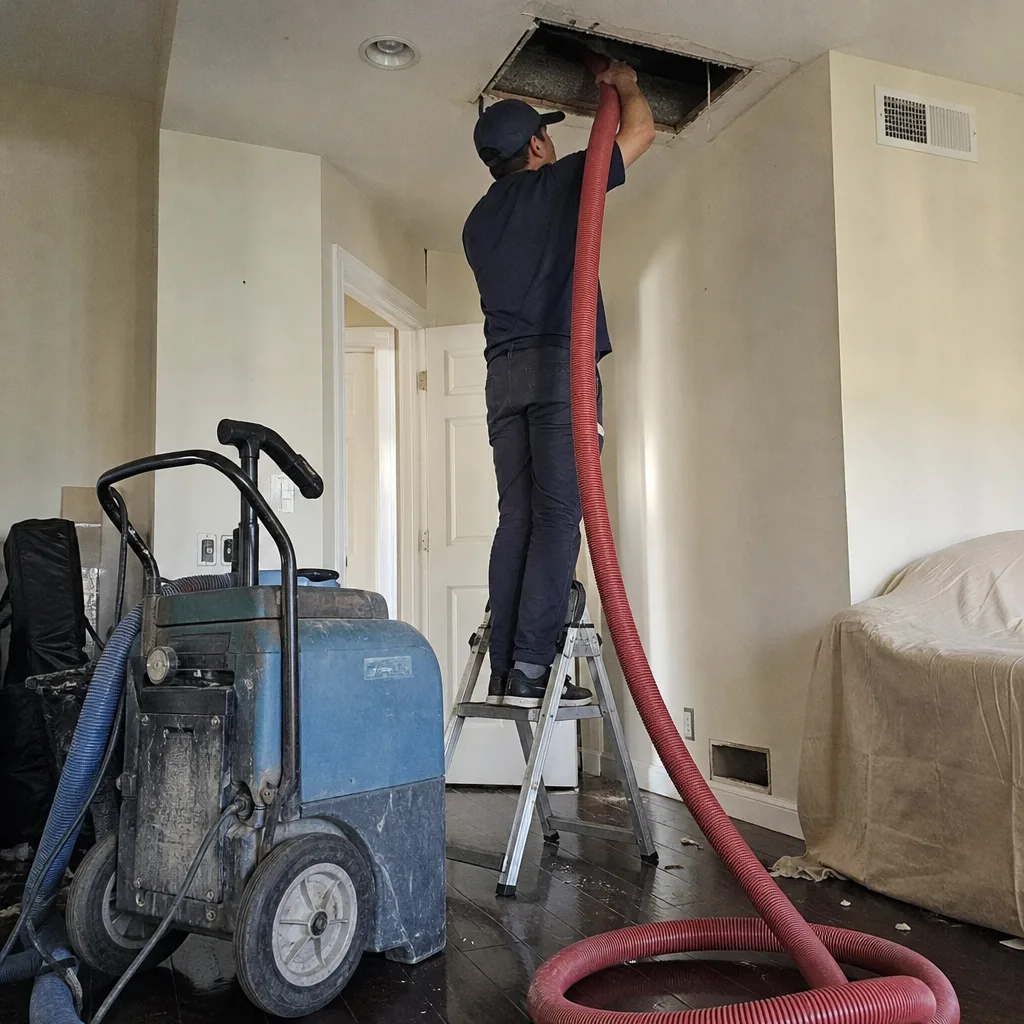 Before
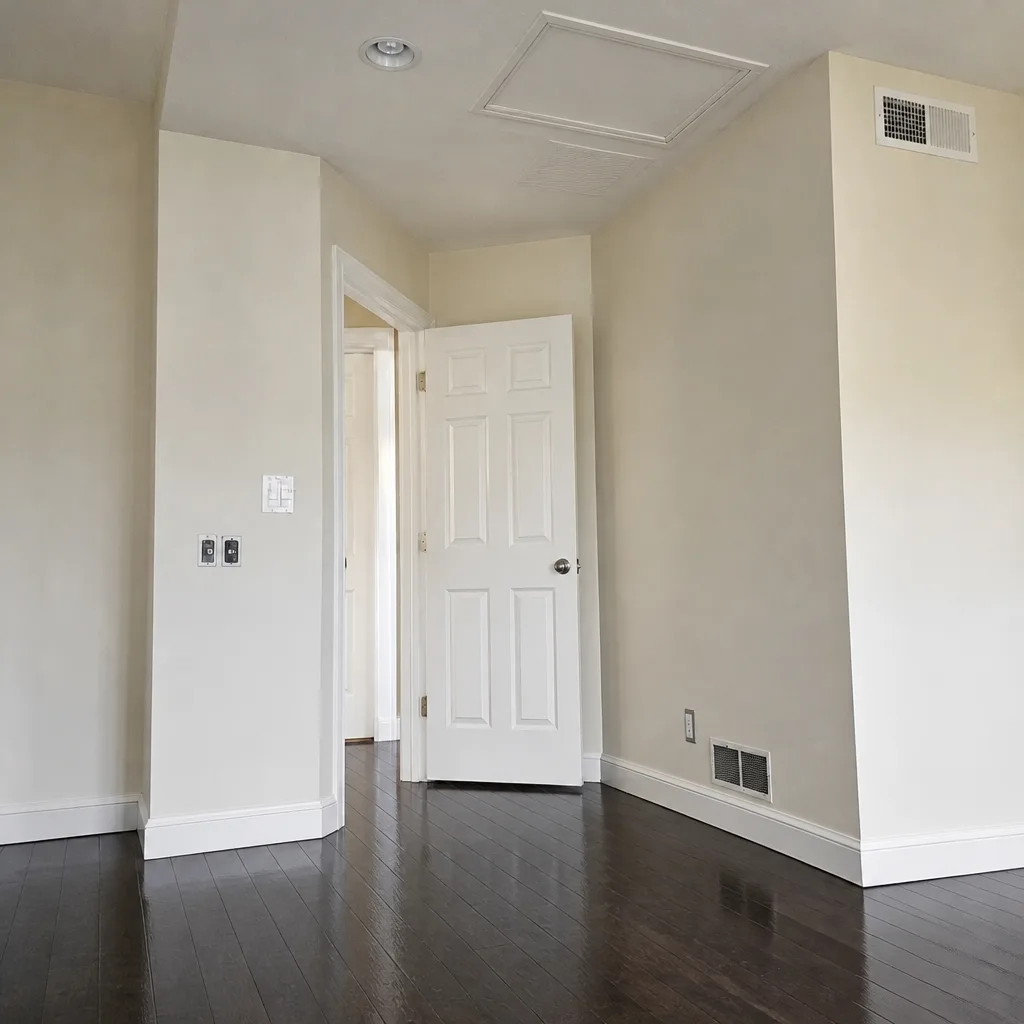 After
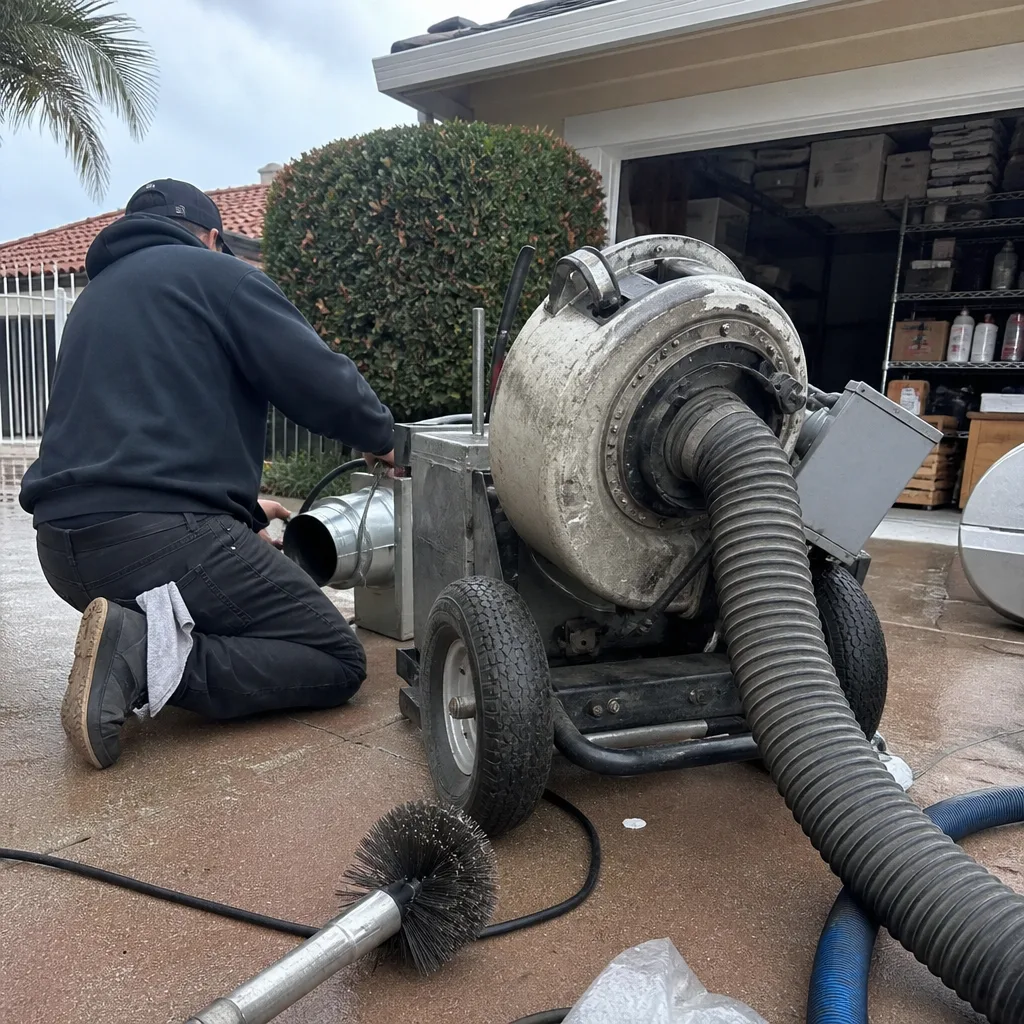 Before
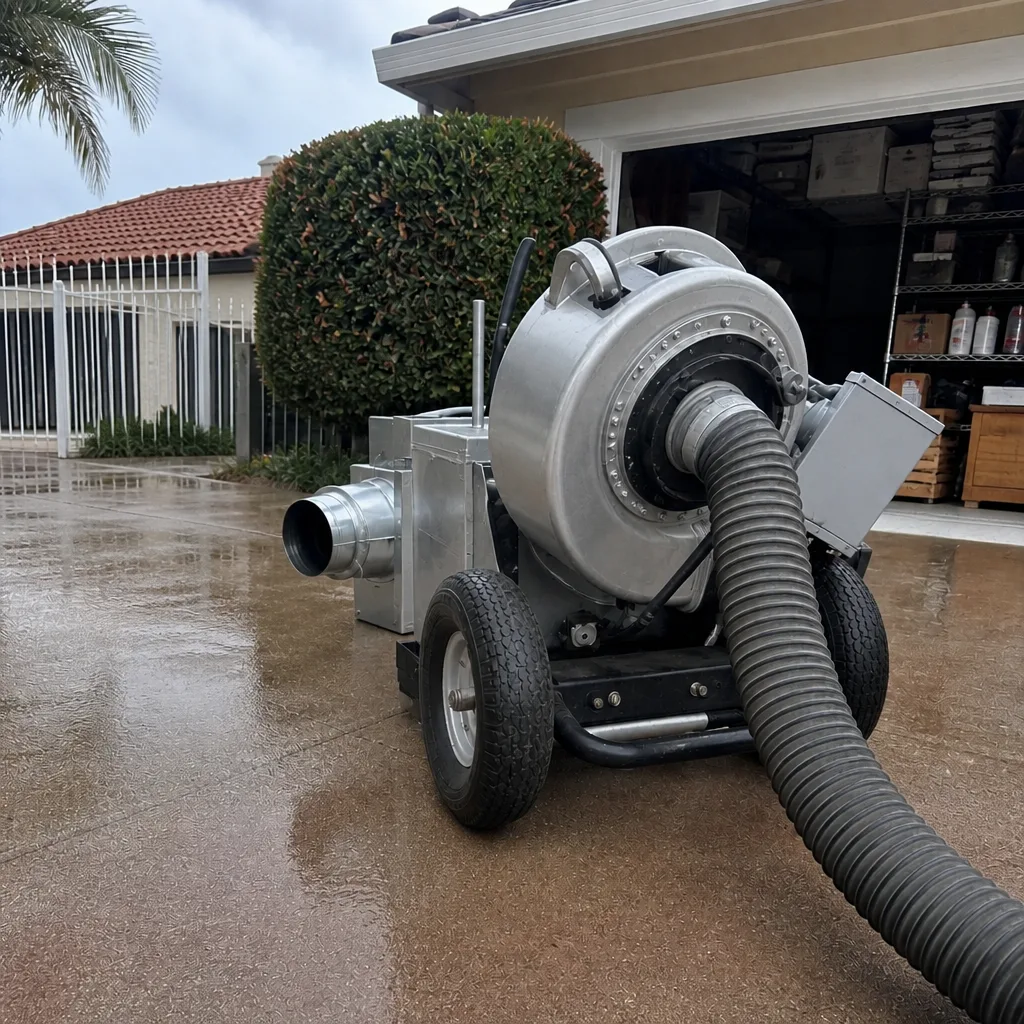 After
 Before
 After