
Last updated November 5, 2026
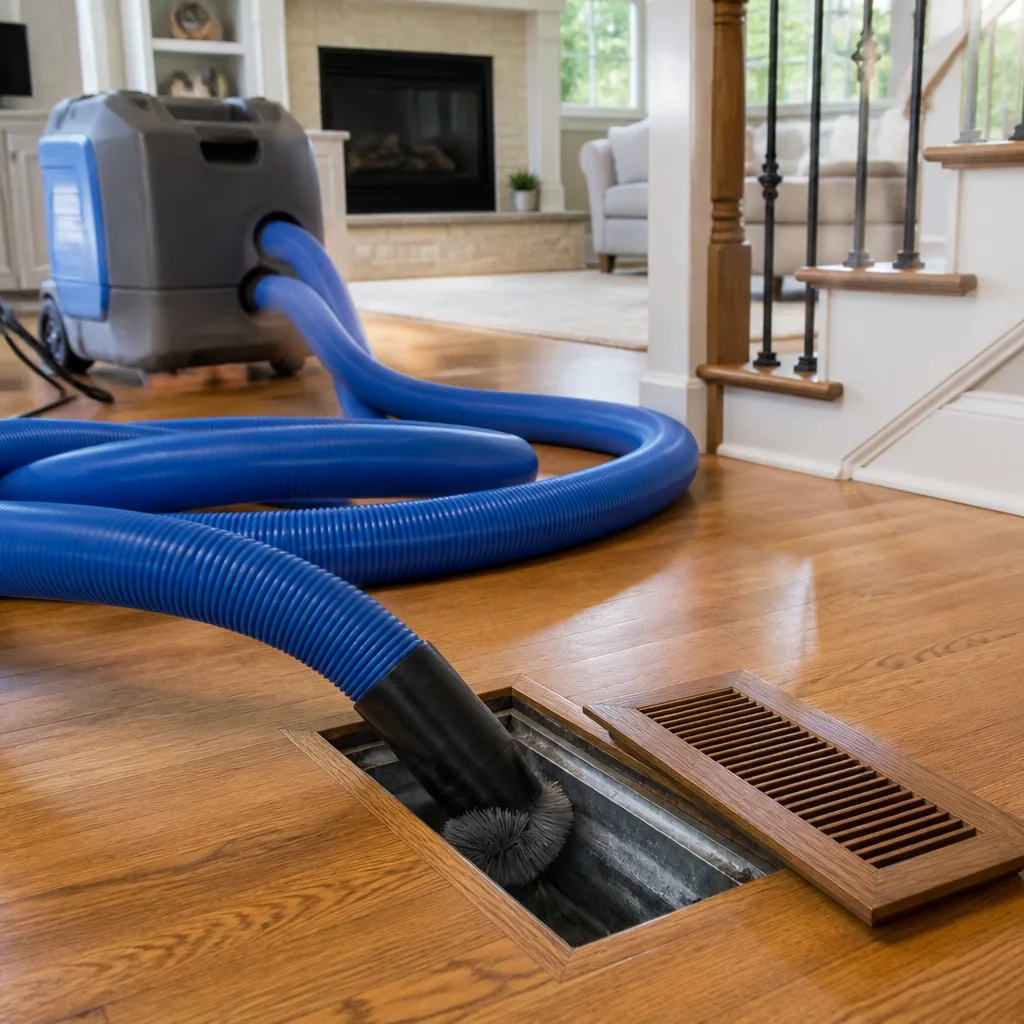 Whole-home duct cleaning
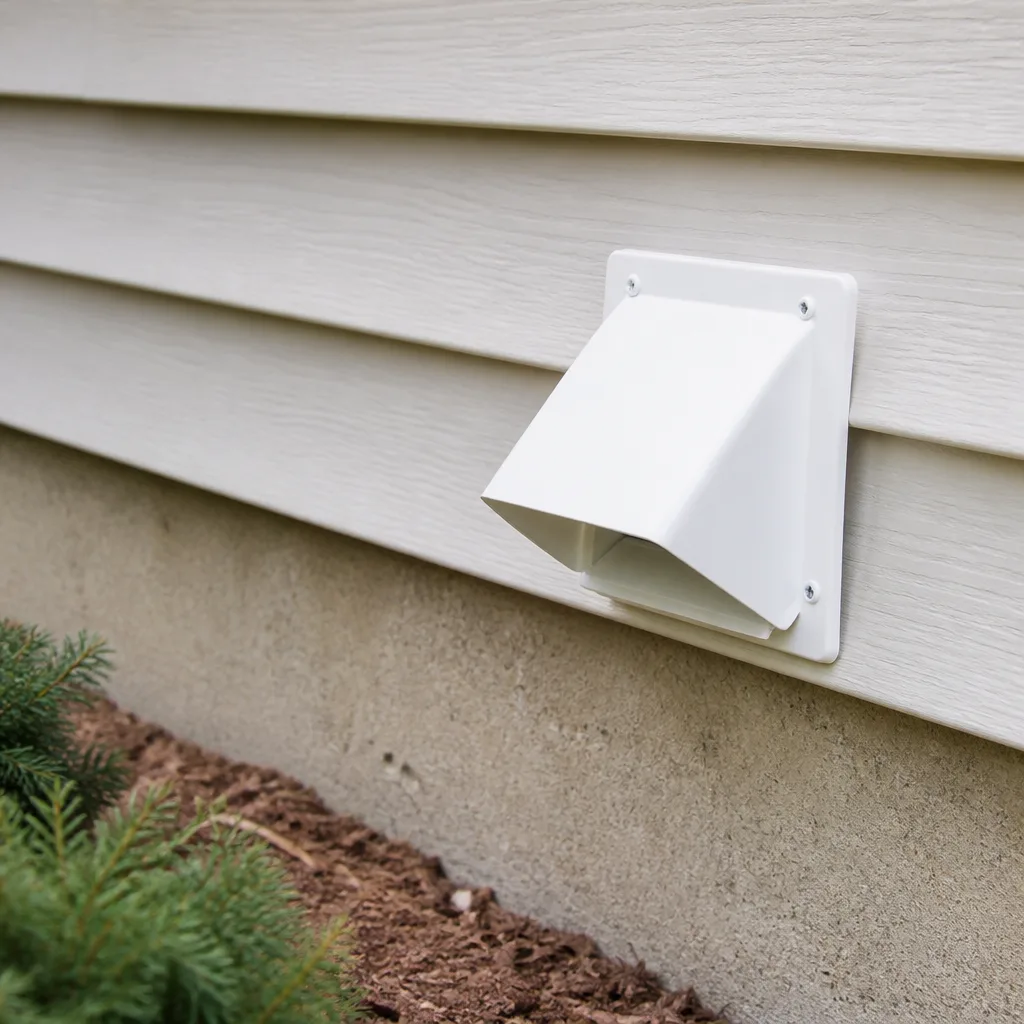 Dryer vent cleaning
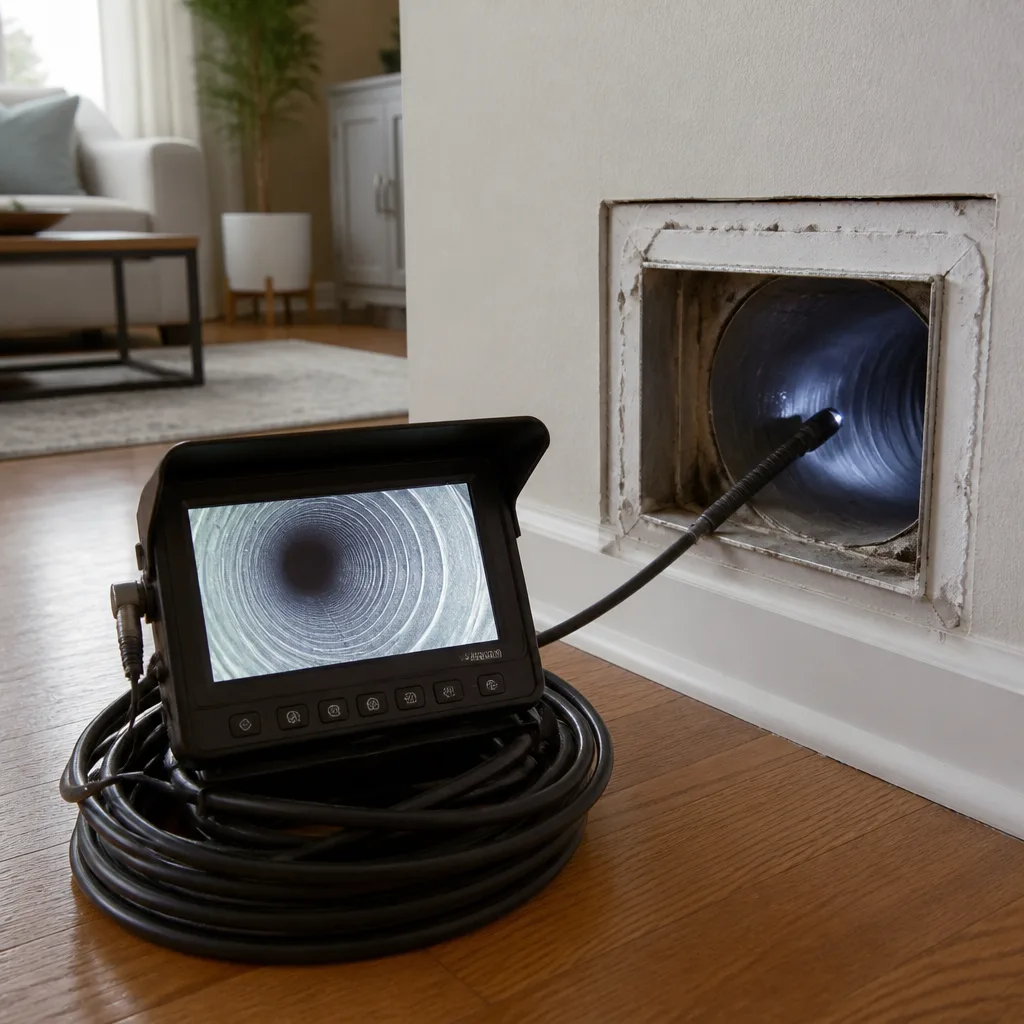 Camera inspection
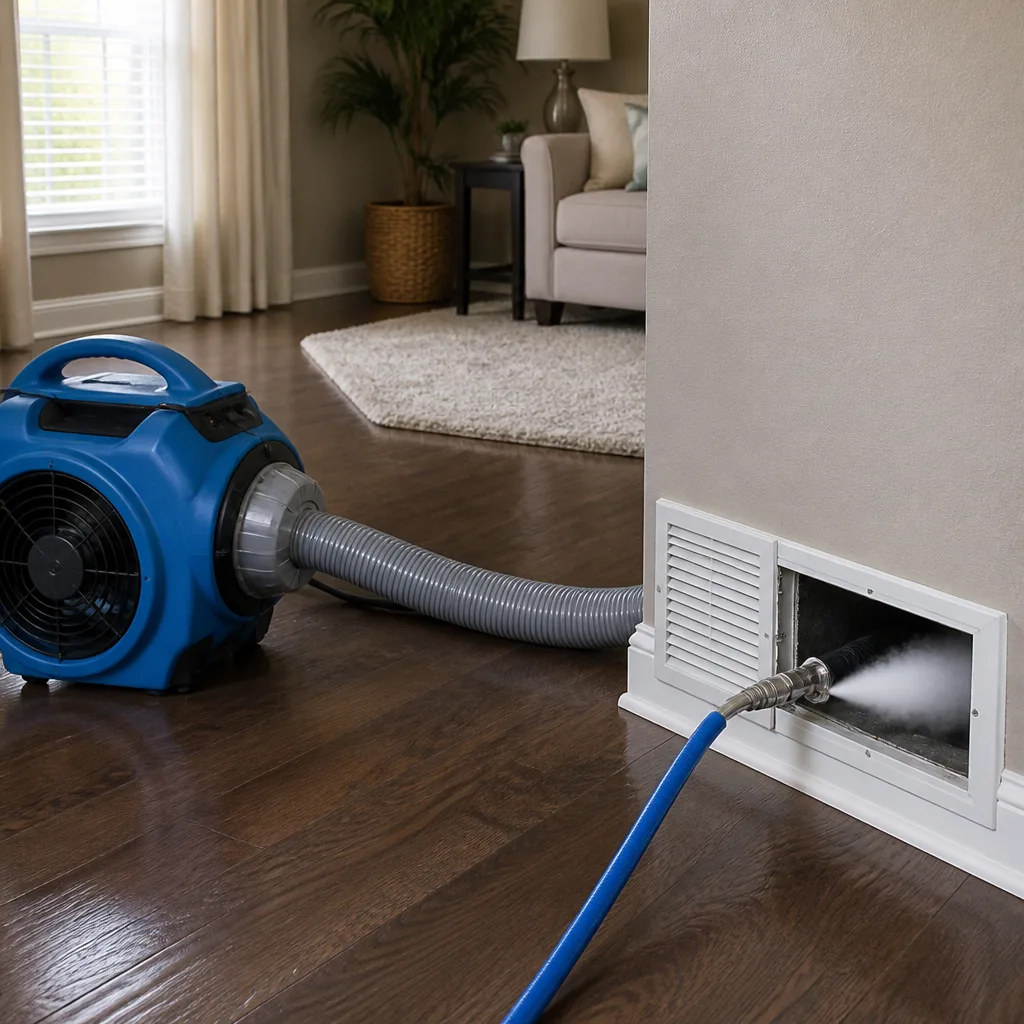 Sanitizing & deodorizing
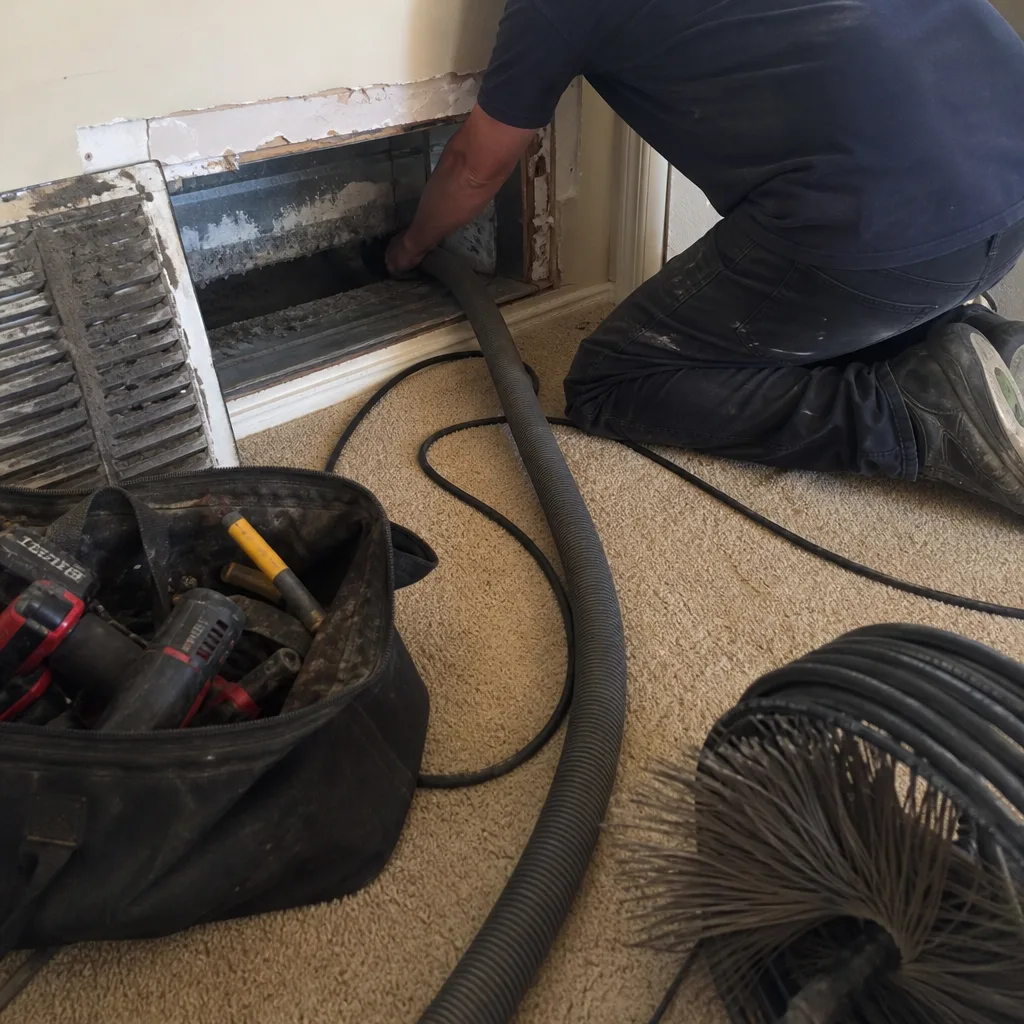
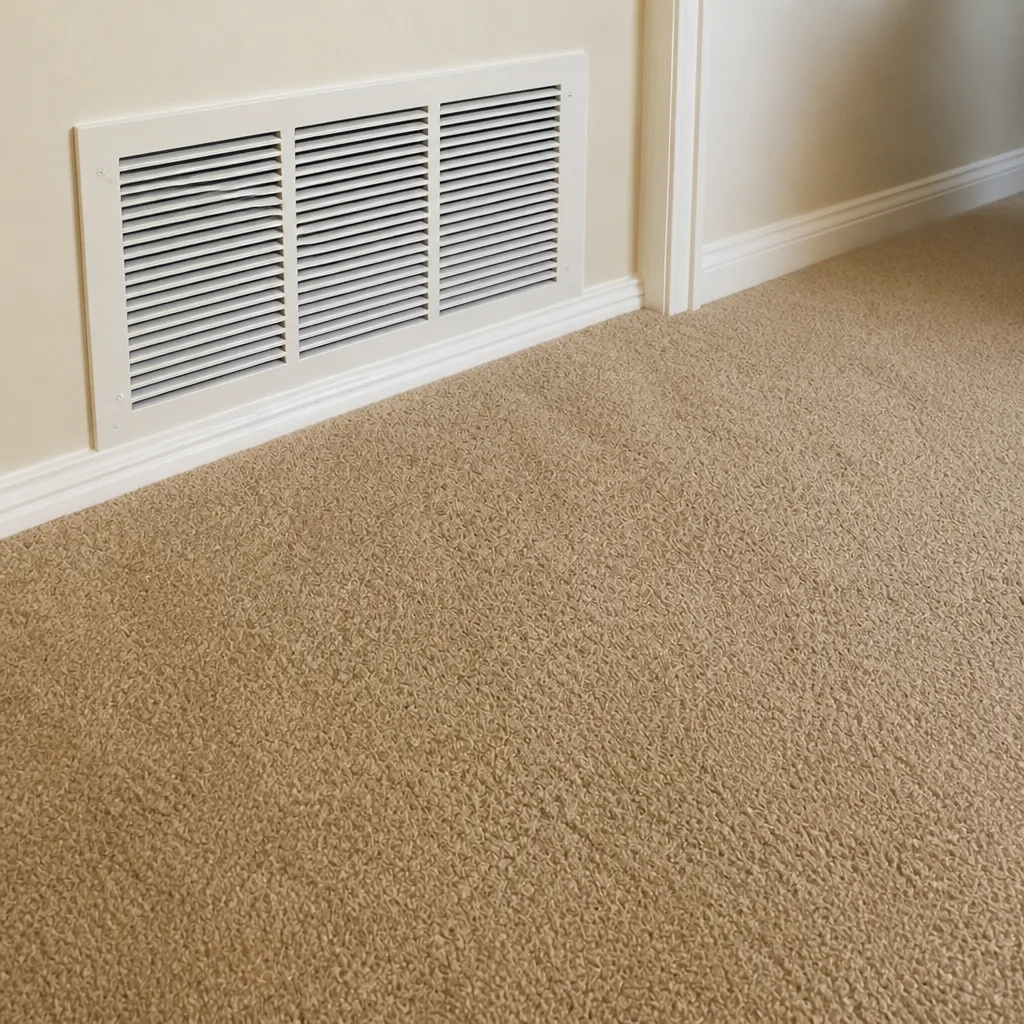
Whole-system duct and dryer vent check with before-and-after photos - you see exactly what came out of your vents
That "$99 whole-house special" is a bait ad - the real number appears once they are in your hallway, or the "clean" is a shop-vac at the register. We photograph the inside of your ducts before and after instead.
The Complete Guide to Air Duct Cleaning in Laguna Niguel
The EPA says it does not recommend routine air duct cleaning. That statement alone should make every Laguna Niguel homeowner pause, because a large share of the duct cleaning industry is built on selling scheduled cleanings to people who may not need them. This guide takes the opposite approach. We’ll walk through the specific conditions that justify cleaning, what equipment actually reaches contamination, and how a credible job is done from inspection through final verification. If you live in Laguna Niguel and want to know whether your ducts need work, this is the evidence-based answer.
Quick Answer
Air duct cleaning in Laguna Niguel is worth doing when specific conditions exist: visible mold growth inside ducts, vermin infestation, or heavy debris buildup that restricts airflow. For most homes, cleaning is not an annual or even a five-year ritual. The key is diagnosing whether contamination is present, then using the right equipment, usually a rotary brush system or negative-air machine, to remove it without damaging the ductwork.
Styles & brands we work with
- Whole-home duct cleaning
- Dryer vent cleaning
- Camera inspection
- Sanitizing & deodorizing
Table of Contents
- How Air Duct Cleaning Actually Works
- Why Laguna Niguel Homes Differ From Inland SoCal
- Rotobrush vs. Nikro: Two Different Approaches
- When Duct Cleaning Is Actually Warranted
- What a Pre-Cleaning Inspection Should Document
- Why the Contamination Source Matters More Than the Cleaning
- Red Flags in the Laguna Niguel Duct Cleaning Market
- What a Credible Job Looks Like From Start to Finish
How Air Duct Cleaning Actually Works
Duct cleaning is not a single process. The way a company cleans your ducts depends on the equipment they bring and the condition of your system. At its core, the job involves agitating debris that has settled on duct surfaces and then extracting it from the system so it does not re-enter your living space. How that agitation and extraction happen is where companies differ dramatically.
The most common professional methods fall into two categories. The first is contact cleaning, where a rotating brush physically scrubs the interior walls of the duct. This is what a Rotobrush system does. A spinning brush head travels through the duct, dislodging dust, pet hair, and debris that has adhered to surfaces. Simultaneously, a vacuum pulls the loosened material out of the duct. This works particularly well for sheet metal ductwork, which is common in many Laguna Niguel homes built over the past several decades. The brush reaches the surface directly and removes what has stuck to it.
The second method is negative-air cleaning, which uses a high-powered vacuum connected to the duct system to create negative pressure. This is the approach used by Nikro equipment, a brand common in restoration and remediation work. With the system under negative pressure, technicians use compressed air whips or brushes at each register to dislodge debris, and the vacuum draws it through the system and out of the house. This method is especially effective for flexible ductwork, which a rotary brush can damage if used improperly.
Neither method is inherently superior across the board. The right choice depends on your duct material, the type of contamination, and the skill of the operator. What matters most is that the equipment is professional-grade and purpose-built for duct cleaning, not a consumer shop vac with a long hose attached. We clean ducts with equipment made for the job, because a homeowner-grade vacuum cannot generate the airflow or agitation needed to clean beyond the first few feet of a supply run.
Why Laguna Niguel Homes Differ From Inland SoCal
Laguna Niguel sits about seven miles inland from the Pacific. The marine layer that rolls in most mornings brings moisture that inland communities like Temecula or Riverside rarely experience. That humidity matters for ductwork. When moist air enters a duct system, it raises the relative humidity inside the ducts themselves. Dust that would stay loose and dry in a Palm Springs home can become tacky and adhere to duct walls here. Over time, that adhered layer builds, especially in supply ducts that carry conditioned air through warm attics.
This does not mean every home in Laguna Niguel has a mold problem. It means the conditions here are more favorable for dust adhesion and, in some cases, microbial growth on duct surfaces than they are in the desert or high desert communities east of the hills. Homeowners in neighborhoods like Marina Hills, Bear Brand, and San Joaquin Hills should pay attention to whether their ducts feel clean at the register, because the local climate can accelerate what would take years longer elsewhere.
Another factor specific to this area is home age. Laguna Niguel grew fast in the 1970s through the 1990s, and a large share of the housing stock has original or aging ductwork. Ducts that have been in place for three decades have had more time to accumulate debris, and they are more likely to have developed leaks at seams, disconnected sections, or crushed flex runs. A home built in 1985 and never retrofitted probably has more going on inside its ducts than a new build in Rancho Mission Viejo.
None of this means you should rush to clean your ducts because of where you live. It means you should understand the local variables so you can evaluate your own system accurately. The decision tree starts with what you can observe, which we’ll get to shortly.
Rotobrush vs. Nikro: Two Different Approaches
Understanding the equipment a company uses tells you a lot about the kind of job you will get. Rotobrush and Nikro represent two distinct cleaning philosophies, and each has strengths depending on your duct configuration.
Rotobrush systems are rotary brush machines. A cable-driven brush spins inside the duct while a vacuum on the same unit extracts debris. The brush physically contacts the duct surface, which makes it very effective at removing adhered dust, pet dander, and the kind of filmy residue that forms in humid environments like coastal-adjacent Laguna Niguel. Because the brush reaches the surface directly, it does well in smooth metal ducts. The operator controls the brush speed and direction from the unit. The risks with rotary brush equipment come from operator error: a brush run too aggressively through flex duct can tear it, and a brush that does not match the duct diameter will not clean effectively. This is why the person running the equipment matters as much as the equipment itself.
Nikro systems are built around negative-air extraction. A powerful vacuum unit connects to the duct system and pulls the entire system under negative pressure. Technicians then work register by register with air whips, brushes, or other agitation tools. The debris loosened at each point is drawn through the system and into the vacuum’s filtration. Nikro equipment is widely used in fire and water restoration, where containment and particle removal are critical. It is a strong choice for homes with mostly flexible ductwork, because the cleaning action does not depend on a brush scraping the inside of a delicate flex run. It also excels at removing fine particulate that a brush alone may not fully capture.
A capable air duct cleaning company will know which tool to use on which system. We use both Rotobrush and Nikro equipment because duct systems in Laguna Niguel vary widely. Some homes have all rigid metal, some are mostly flex, and many are a mix. The equipment should match the job, not the other way around.
When Duct Cleaning Is Actually Warranted
The single most important thing to understand about Duct Cleaning Laguna Niguel is that it is a condition-based service, not a maintenance schedule. The EPA does not recommend routine duct cleaning, and that guidance exists for a reason. Most ducts simply do not need cleaning on a timer. They need cleaning when something specific has happened.
Here are the conditions that justify a professional cleaning:
- Visible mold growth on duct surfaces. If you can see mold on the inside of ductwork, on register covers, or on the insulation inside the air handler, that is a legitimate reason to clean. You should also identify and fix the moisture source, or the mold will return.
- Vermin activity. Rodents, insects, or other pests in the ducts leave droppings, nesting material, and debris that should be removed. After cleaning, the entry point must be sealed.
- Heavy debris buildup. If debris is visible at registers, or if a large volume of dust and pet hair has accumulated over years, cleaning restores proper airflow and removes material that would otherwise continue circulating through the home.
- Recent construction or renovation. Drywall dust, sawdust, and other construction debris can enter ducts during remodeling. Even with filters in place, fine particles find their way in. A post-renovation cleaning removes this material before your HVAC system pushes it into every room.
- Reduced airflow with no obvious HVAC fault. If airflow from registers has dropped noticeably, and the filter is clean, and the system is otherwise functioning, duct blockage may be the cause. This is less common than dirty coils or a failing blower, but it is worth investigating.
If none of these conditions apply, you probably do not need duct cleaning. A clean filter, regular HVAC maintenance, and sealed ductwork do more for indoor air quality than an unnecessary cleaning ever will.
What a Pre-Cleaning Inspection Should Document
A credible duct cleaning company does not quote a price sight unseen. They inspect first. The inspection should be thorough enough to document what is actually inside your ducts, and it should establish a baseline so you can verify the cleaning afterward. Here is what a proper pre-cleaning inspection covers:
- Visible debris. The technician should look inside supply and return ducts with a camera or borescope and document what they see. Photos help. If they cannot show you what is inside your ducts before cleaning, how will they show you after?
- Microbial presence. Not every dark stain is mold. But if microbial growth is suspected, a sample should be tested before cleaning. Cleaning alone does not kill mold. If mold is present, the source of moisture must be identified and corrected, or the cleaning is temporary at best.
- Duct integrity. The inspection should include checking for disconnected sections, crushed flex runs, gaps at seams, and poor connections at the plenum. A system that leaks conditioned air into the attic is wasting energy and pulling unfiltered air into the system.
- Filter seating. A filter that does not fit its slot properly lets unfiltered air bypass the filter entirely. This is one of the most common sources of duct contamination in Laguna Niguel homes, where filter slots are often original to older HVAC systems.
- Airflow readings. Measuring static pressure or airflow at registers before and after cleaning tells you whether the cleaning actually improved system performance. Not every company does this, but those that do are signaling a more rigorous approach.
An inspection that only looks at one register and then quotes a price is not an inspection. It is a sales visit. The purpose of the pre-cleaning walkthrough is to establish what is actually in your ducts and whether cleaning is the right intervention. Sometimes the honest answer is that your ducts are clean and the problem is elsewhere, like a dirty blower wheel or a clogged coil. A company that tells you that is worth more than one that cleans ducts that did not need it.
Why the Contamination Source Matters More Than the Cleaning
Cleaning your ducts without addressing why they got dirty is a temporary fix. Ducts become contaminated for reasons. If those reasons are not corrected, the contamination returns. A leaky return duct in the attic pulls unfiltered attic air, with its dust and insulation particles, directly into the system. A filter that does not seat properly lets the same unfiltered air bypass the filter. A disconnected supply run blows conditioned air into the attic and, as the system cycles, can pull attic air back in through the gap.
This is where the repair capability of a duct cleaning company becomes important. Many companies only clean. When they encounter a compromised duct during cleaning, they either ignore it or note it and leave. The homeowner is then told to call an HVAC contractor, who may not be available for weeks. The problem persists, and the new cleaning does not last.
We take a different approach. If we find damage during cleaning, we can repair it in the same visit. That includes reconnecting separated flex sections, sealing gaps at seams, repairing crushed duct runs, and correcting filter seating issues. The point of cleaning is not just to remove what is there. It is to leave the system in a condition where it will stay clean. Your ducts work with your HVAC system, so should your cleaning crew.
For Laguna Niguel homeowners, this matters because older duct systems are common. A home built in the 1980s with original ductwork is likely to have developed leaks, even if the system has never been touched. Cleaning that system without sealing it is like washing a car with the windows open and wondering why the interior keeps getting wet.
Red Flags in the Laguna Niguel Duct Cleaning Market
The duct cleaning industry has a reputation problem in Southern California, and part of it is earned. Low-price advertised specials are the most common bait-and-switch in the trade. A company advertises a whole-house cleaning for a price that seems too good to be true, then the technician arrives and finds mold, damaged ducts, or hidden add-ons, and the final invoice is three times the advertised price. Here is how to spot the operations worth avoiding:
- Pricing that is a flat teaser rate. If a company advertises a whole-house duct cleaning for a specific low dollar amount, they are almost certainly planning to upsell once they are in the home. A real duct cleaning job takes hours with professional equipment. There is no legitimate way to do it for the price of a restaurant meal.
- No pre-cleaning inspection. A company that quotes over the phone without looking at your ducts is selling a process, not a result. The condition of your ducts, the type of ductwork, and the layout of your system all affect the work. Anyone who quotes sight unseen is guessing.
- Fear-based sales tactics. If the pitch emphasizes health dangers, mold scares, or “years of unknown filth” without any evidence from your actual ducts, you are being sold anxiety, not service. Credible companies show you what is in your ducts and let the evidence speak.
- No before-and-after documentation. A professional company verifies the work. If they cannot show you footage or photos of your ducts before and after the cleaning, you have no way to know whether anything was actually cleaned. Rotobrush and Nikro systems both support camera documentation. There is no excuse for not providing it.
- Subcontractors or third-party technicians. If the company you hired sends a subcontractor in an unmarked van, you have no way to verify who actually did the work or what equipment they used. Reputable companies send their own technicians with their own equipment.
- No repair capability. If a company can only clean, they have an incentive to clean around problems and move on. A company that can also repair ducts has no reason to ignore what they find, and every reason to document it, because the repair is part of the value they provide.
The Duct Cleaning Laguna Niguel market includes both credible specialists and discount operators. Knowing the difference before you call will save you from paying twice: once for the cheap job, and again for the honest one that should have been done in the first place.
What a Credible Job Looks Like From Start to Finish
A proper duct cleaning follows a defined sequence. Here is what you should expect from a professional crew working on a Laguna Niguel home:
- Inspection and documentation. The technician inspects the system, documents what is visible inside the ducts, checks duct integrity and filter seating, and takes baseline photos or video. You see the evidence before any work begins.
- System preparation. Registers are covered or removed as needed. The HVAC system is turned off. The work area is protected so that the cleaning process does not spread debris into the home.
- Access creation. On most systems, the technician creates access points to connect the vacuum equipment to the main trunk lines. On some systems, access can be made through existing openings. On others, small access cuts are made and later sealed with proper caps.
- Cleaning. The actual cleaning runs methodically through the system. Supply ducts, return ducts, the main trunk lines, and the air handler plenum are addressed. The equipment, whether Rotobrush rotary brush or Nikro negative-air extraction, is matched to the duct material.
- Component cleaning. In many systems, the blower fan, evaporator coil, and drain pan are also cleaned. These components sit in the airstream and can be significant sources of the contamination that ends up in ducts.
- Repair as needed. If the inspection or the cleaning process reveals damaged ducts, disconnected sections, leaks, or a poorly seated filter, these are addressed during the same visit. The cleaning is not complete until the system is whole.
- Verification. After cleaning, the technician documents the results with video or photos. You see the same duct surfaces that were shown to you before the cleaning, now clean. Airflow readings may also be compared to the baseline.
- System check. The HVAC system is turned back on, registers are reinstalled, and airflow is verified at each register. The work area is left clean.
This process takes time. A whole-house duct cleaning on a typical Laguna Niguel home is not a 45-minute job. If a company schedules you with a narrow time window or a crew that arrives with a consumer-grade vacuum, you are not getting the process described above. The value of professional duct cleaning is in the thoroughness, and thoroughness cannot be rushed.
We also service and work with equipment from leading IAQ brands including Honeywell and Aprilaire. If your home has a whole-house filtration system or humidifier from these manufacturers, we can clean the duct system in a way that is compatible with that equipment rather than treating it as an afterthought. Abatement Technologies equipment in active use signals containment-level, negative-air-capable cleaning, which is the standard used in remediation work, not just maintenance calls. These are meaningful differentiators in an industry where the barrier to entry is a van and a vacuum.
Common Mistakes to Avoid
- Cleaning on a rigid schedule. Ducts do not need cleaning every three years or five years on principle. If you clean on a timer without evidence, you are spending money without a reason. Inspect first, clean when conditions warrant.
- Choosing by price alone. The cheapest duct cleaning in Laguna Niguel is almost never the most honest. Low advertised prices exist to get a technician in the door so the upsell can begin. A fair price reflects real labor, professional equipment, and verification.
- Skipping the source of contamination. A cleaning that does not address a leaky return or a bypassing filter is a short-term cosmetic fix. The contamination will return because the source is still there. Repair capability is part of the job, not an add-on.
- Not seeing before-and-after photos. If you cannot see the inside of your ducts before and after the work, you have no evidence the job was done. Ask for documentation. Reputable companies provide it as standard practice.
- Ignoring dryer vents. Dryer vents are part of the same conversation. Lint buildup is the leading cause of dryer-related house fires, and dryer vent cleaning is a separate service from air duct cleaning. If you are having your ducts done, ask whether your dryer vent should be evaluated too.
- Assuming mold without testing. Dark staining on a register is not necessarily mold. Many things look like mold that are not. If microbial growth is suspected, test before cleaning. Cleaning alone does not remediate mold, and the moisture source must be found or the problem recurs.
- Not checking filter seating. A surprising number of homes in Laguna Niguel have filters that do not fit their slots properly. If the filter does not seal, unfiltered air bypasses it and contaminates the ducts. This is a one-minute check that saves real money over time.
See the difference
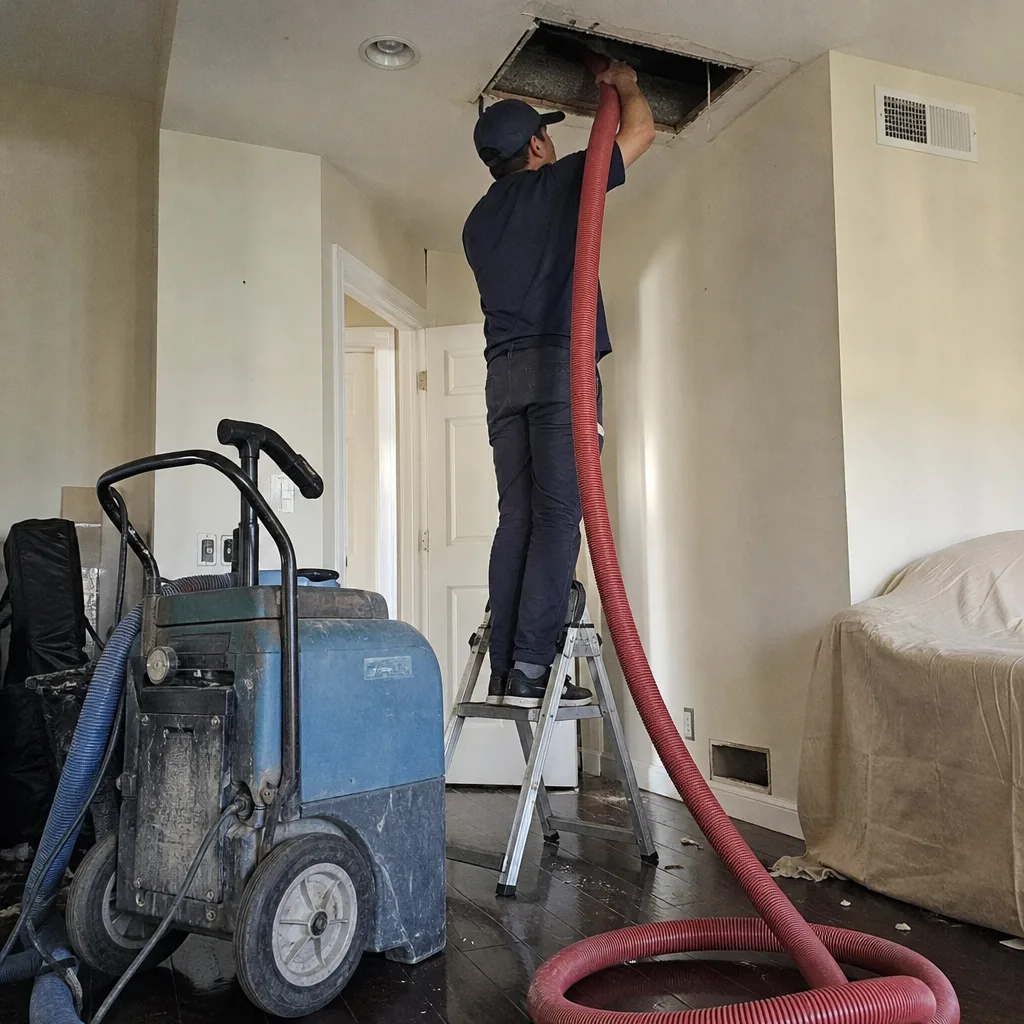 Before
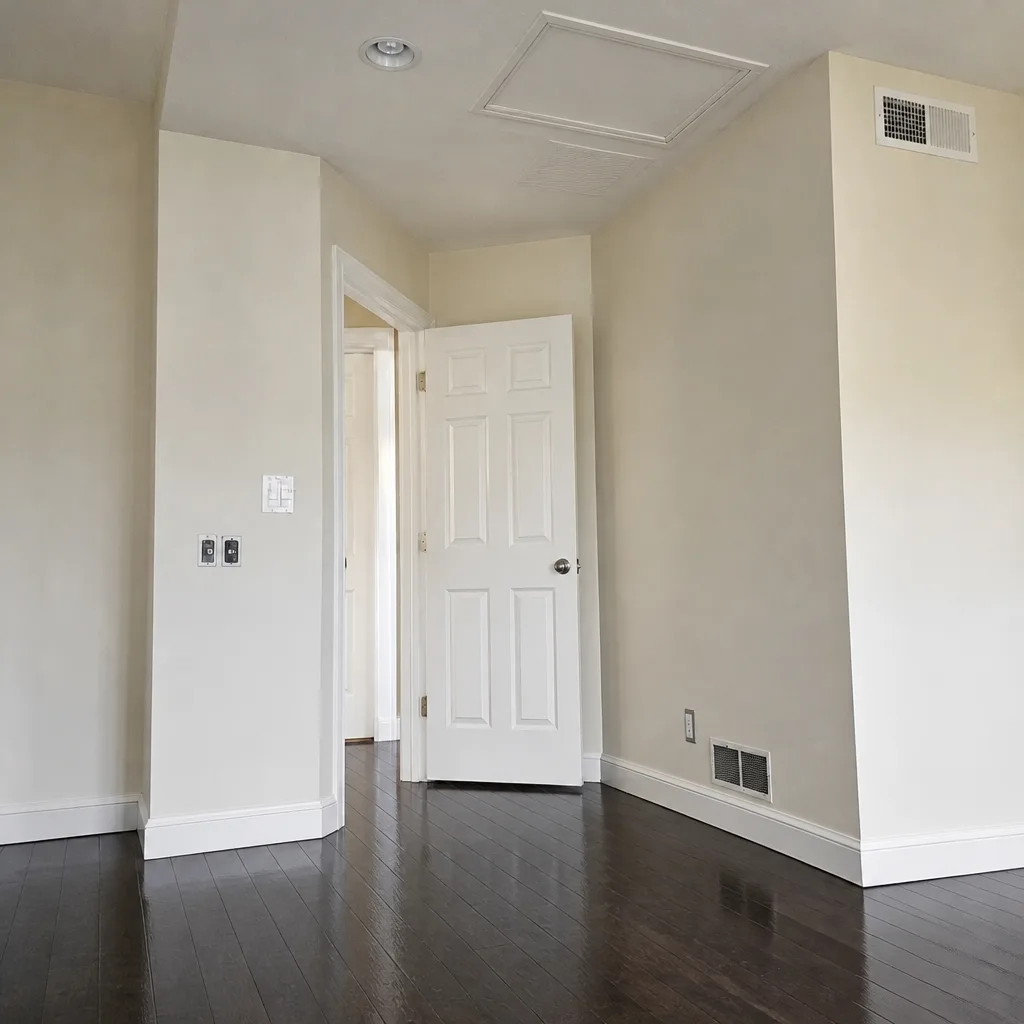 After
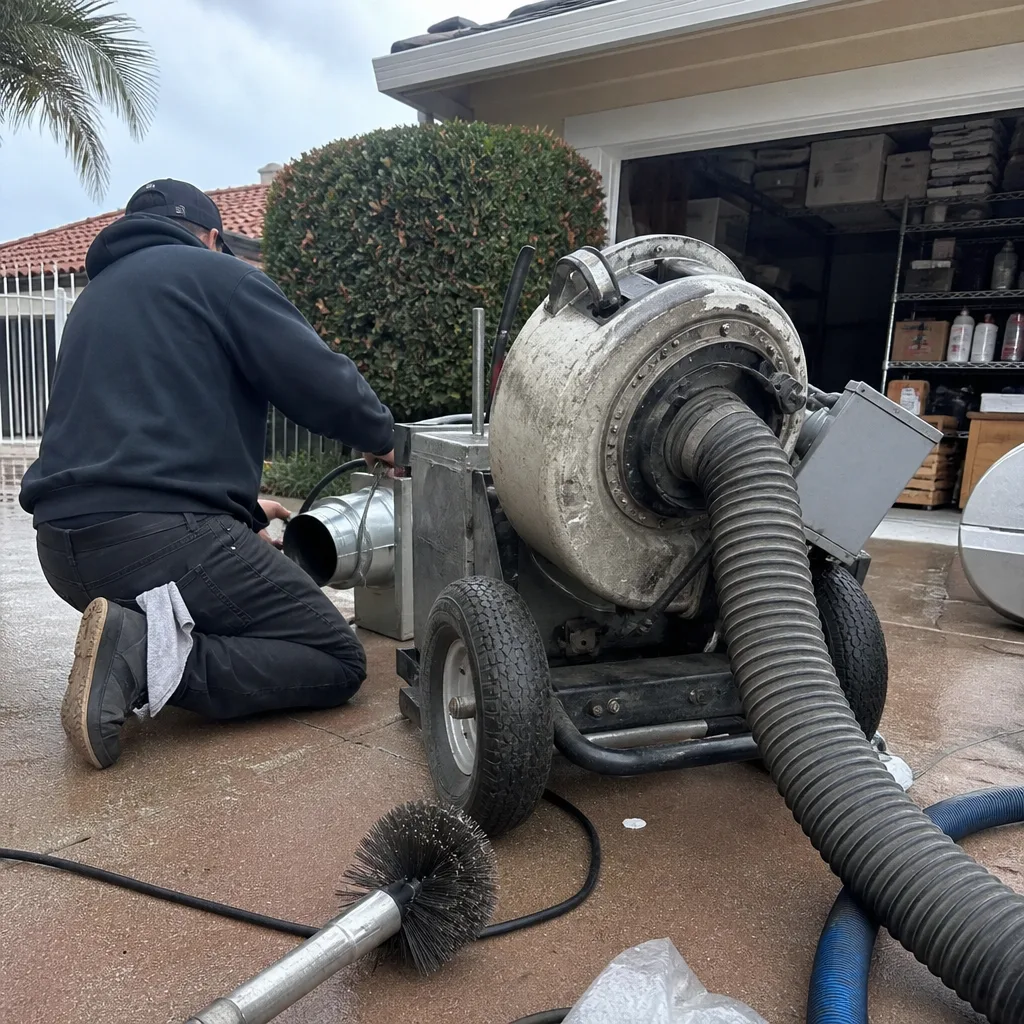 Before
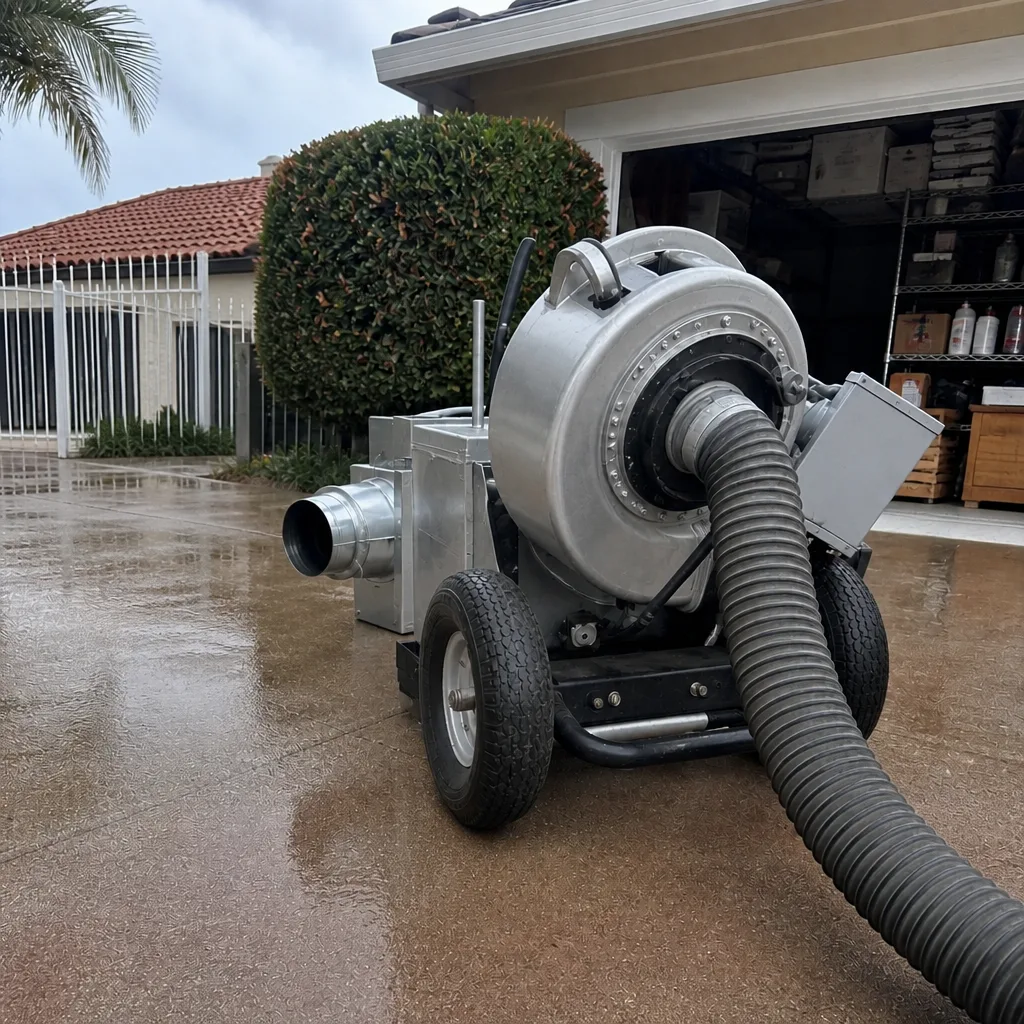 After
 Before
 After
When to Call a Professional
You should call a duct cleaning professional when you have evidence. Visible debris at the registers, dust billowing from supply vents when the system starts, definite rodent activity, or a renovation that has filled the home with drywall dust are all legitimate triggers. Reduced airflow that cannot be explained by a dirty filter or known HVAC fault is another. If you cannot see into your ducts and want to know what is actually there, an inspection with camera documentation is the right first step, whether or not it leads to cleaning.
Laguna Niguel homeowners who want an honest assessment of their duct system can call us for a free estimate. We will inspect, document, and tell you what we find. If your ducts are clean, we will say so. If they are not, we will show you the evidence and quote the work at one flat price per system, agreed before we start.
Frequently Asked Questions
Air duct cleaning in Laguna Niguel typically ranges from $350 to $800 for a whole-house system on a standard single-family home, depending on the size of the system, the number of supply and return runs, and the level of contamination. Homes with multiple HVAC systems or significant debris buildup can run higher. The price should be one flat amount per system, agreed before work starts, not a low advertised rate with add-ons. Call (855) 525-6862 for a free written estimate specific to your home.
There is no fixed interval that applies to every home. The EPA does not recommend routine duct cleaning on a schedule. Clean when specific conditions are present: visible mold, vermin activity, heavy debris, post-renovation dust, or unexplained airflow reduction. For many Laguna Niguel homes, duct cleaning is a one-time or rare intervention, not a recurring maintenance task.
Low quotes usually come from companies using consumer-grade vacuums, not professional equipment, or from companies that plan to upsell once they are in the home. A whole-house cleaning with Rotobrush or Nikro equipment takes hours and requires trained operators. If a price seems too low to cover that labor and equipment, it is too low to be the final price you actually pay.
Ask for before-and-after documentation. A credible company uses camera equipment to show you the inside of your ducts before the work and again after. If a company cannot provide this, you have no way to verify what happened behind your walls. Professional equipment supports documentation. There is no legitimate reason to skip it.
Duct cleaning can reduce the amount of accumulated dust and debris that circulates through your system, which may help some allergy sufferers. But it is not a medical intervention, and the effect varies from home to home. The bigger contributors to indoor allergens are often unfiltered air bypassing a poorly seated filter, leaky ducts pulling attic air, and a dirty blower or coil. Those issues should be addressed alongside any cleaning.
Yes. If we find damaged, disconnected, or leaking ducts during cleaning, we can repair them in the same visit. That includes reconnecting separated flex sections, sealing gaps, and correcting filter seating. The goal is to leave your system clean and functioning, not just clean for a few months until the same problems return. Call (855) 525-6862 to schedule an inspection.
The Bottom Line
Air duct cleaning in Laguna Niguel is a condition-based service, not a scheduled ritual. The marine layer humidity makes dust adhesion more common here than in inland Southern California, and aging duct systems make inspection worthwhile. But the decision to clean should rest on evidence: visible contamination, airflow problems, or confirmed sources of debris. When cleaning is justified, it should be done with professional equipment matched to the duct material, documented before and after, and followed by any repairs that address the contamination source. Call (855) 525-6862. We answer 24/7. Fast dispatch from 7am to 7pm, Sunday through Friday.
Written by the team at Duct Cleaning Laguna Niguel, serving Laguna Niguel since 2011.