
Last updated November 5, 2026
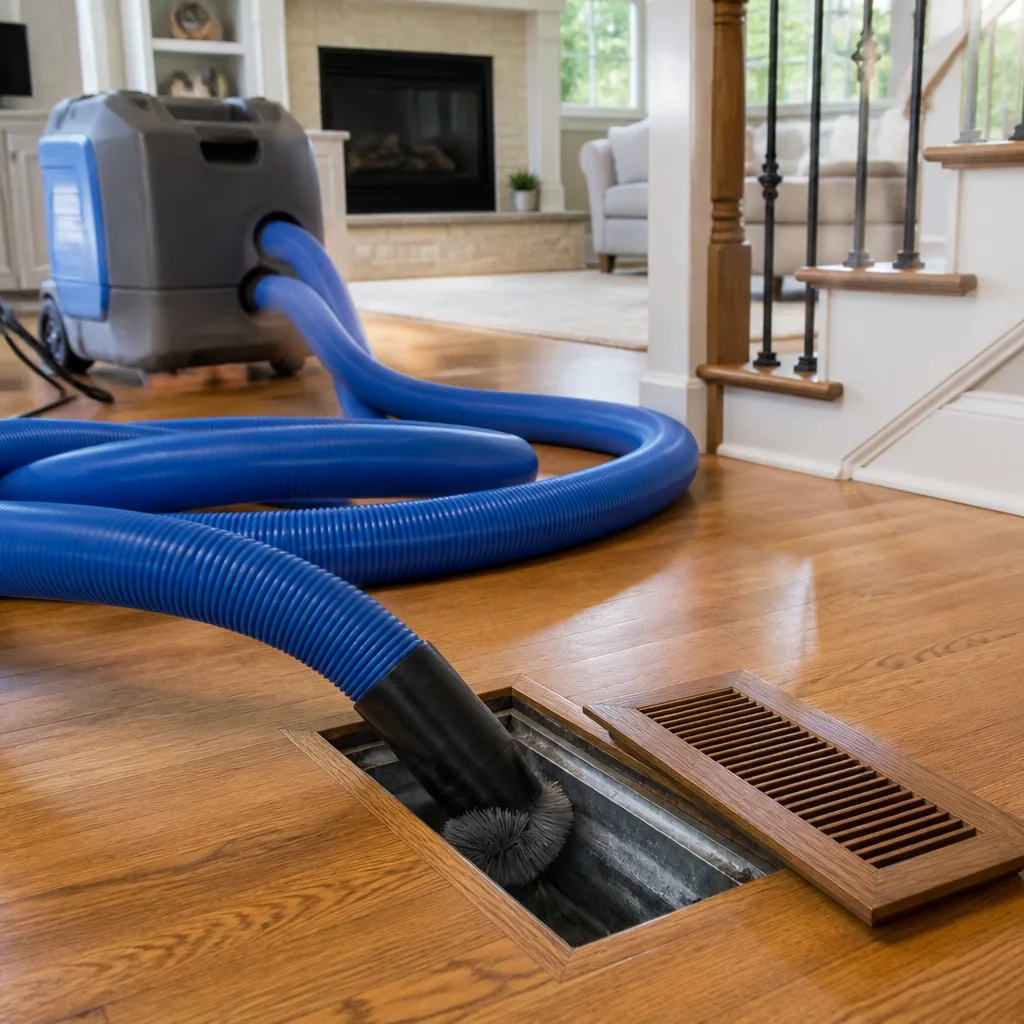 Whole-home duct cleaning
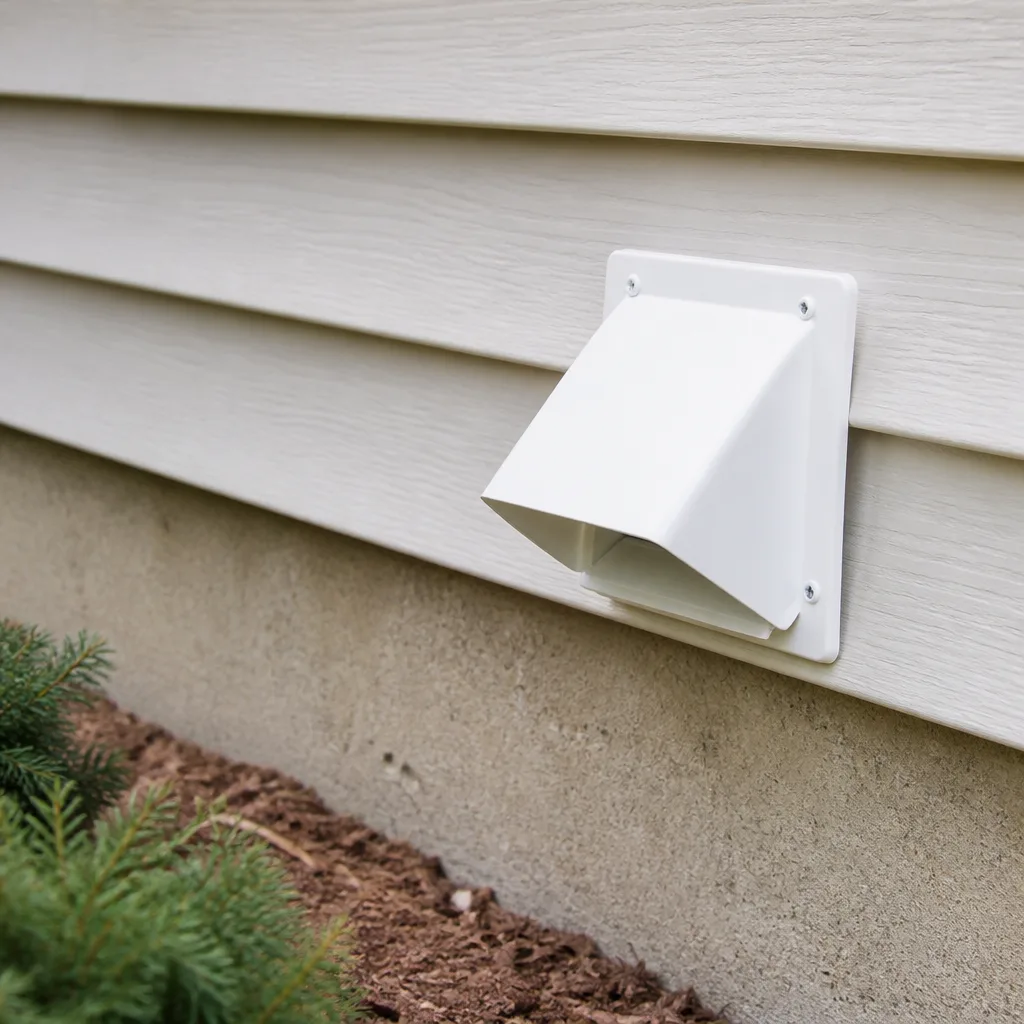 Dryer vent cleaning
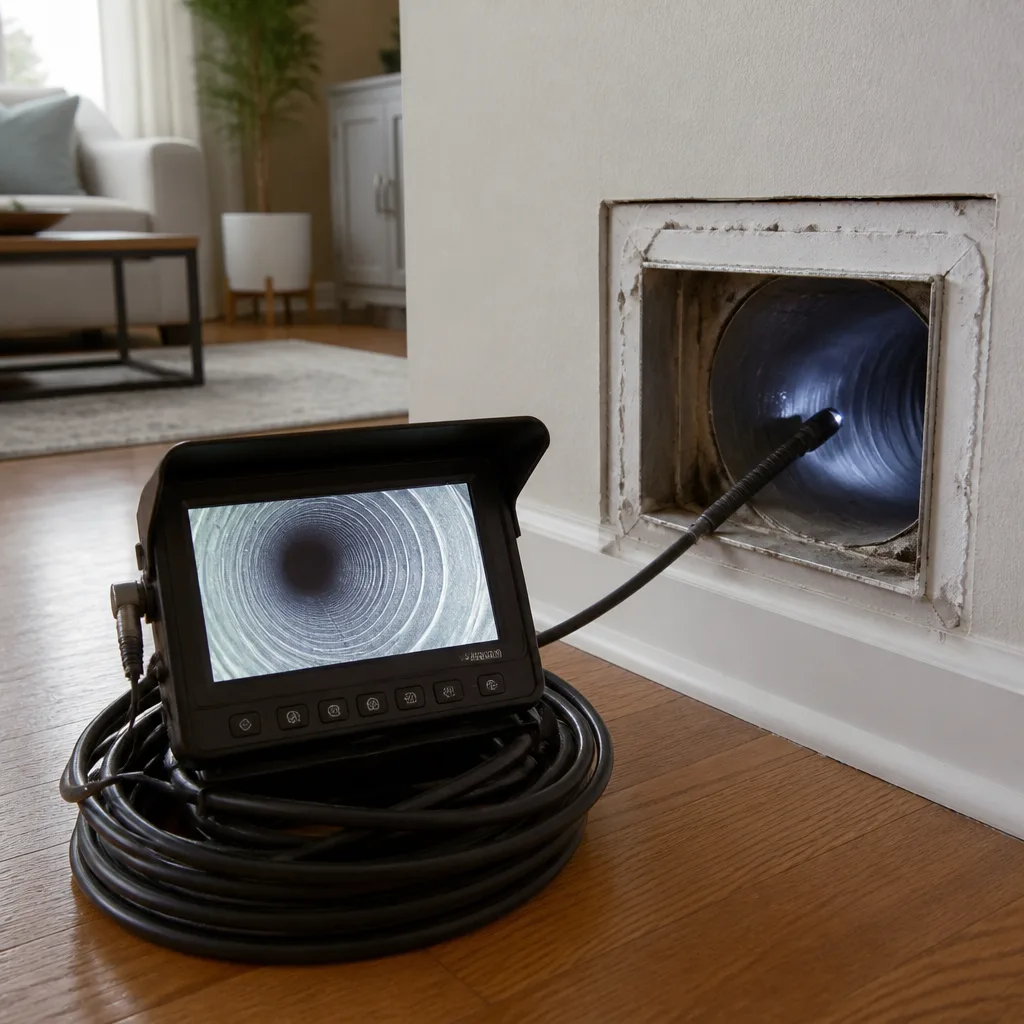 Camera inspection
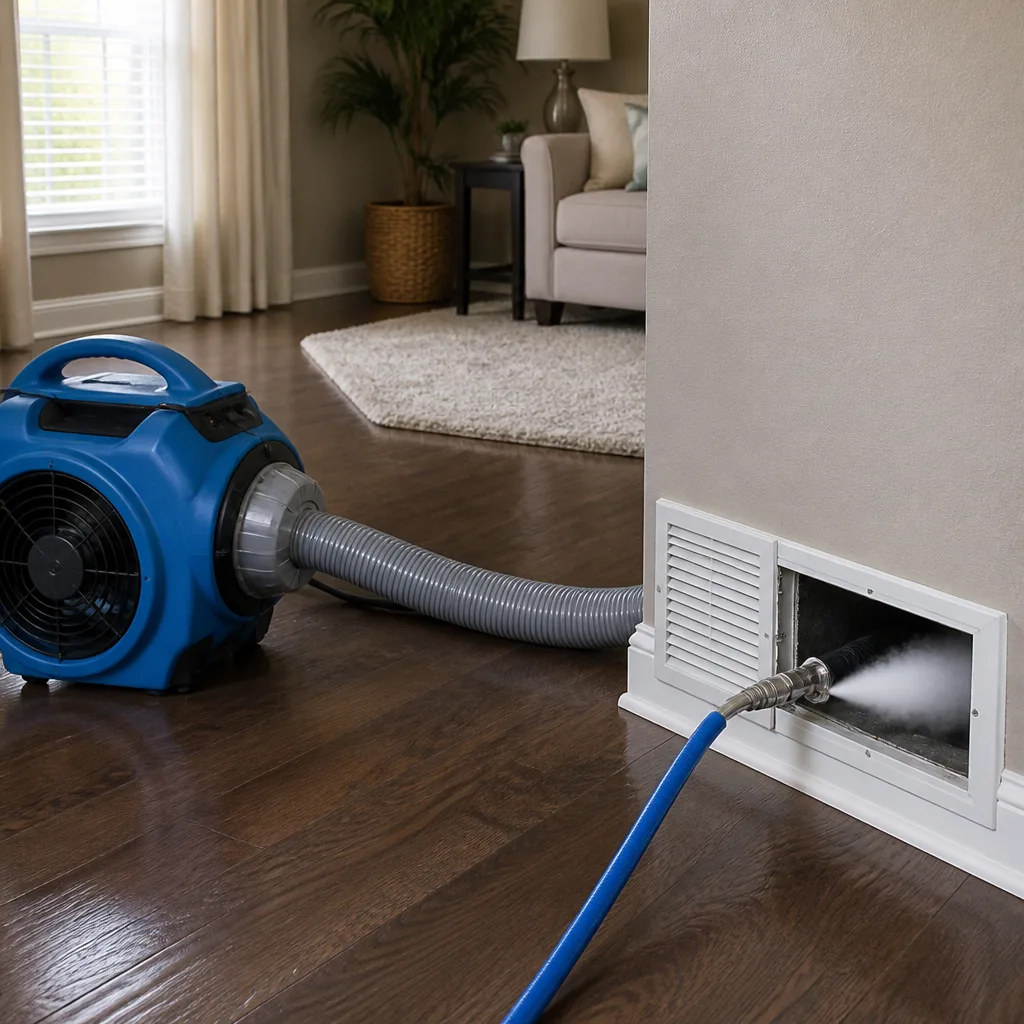 Sanitizing & deodorizing
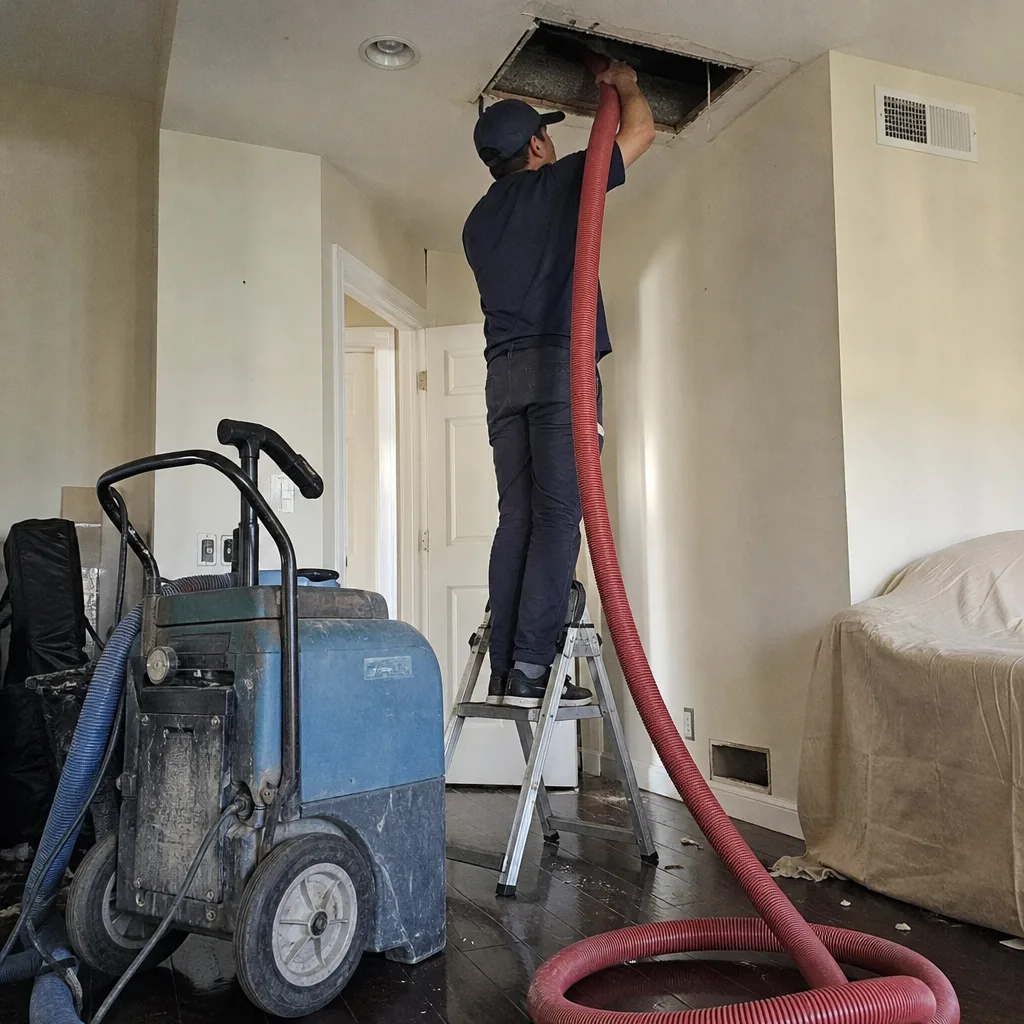
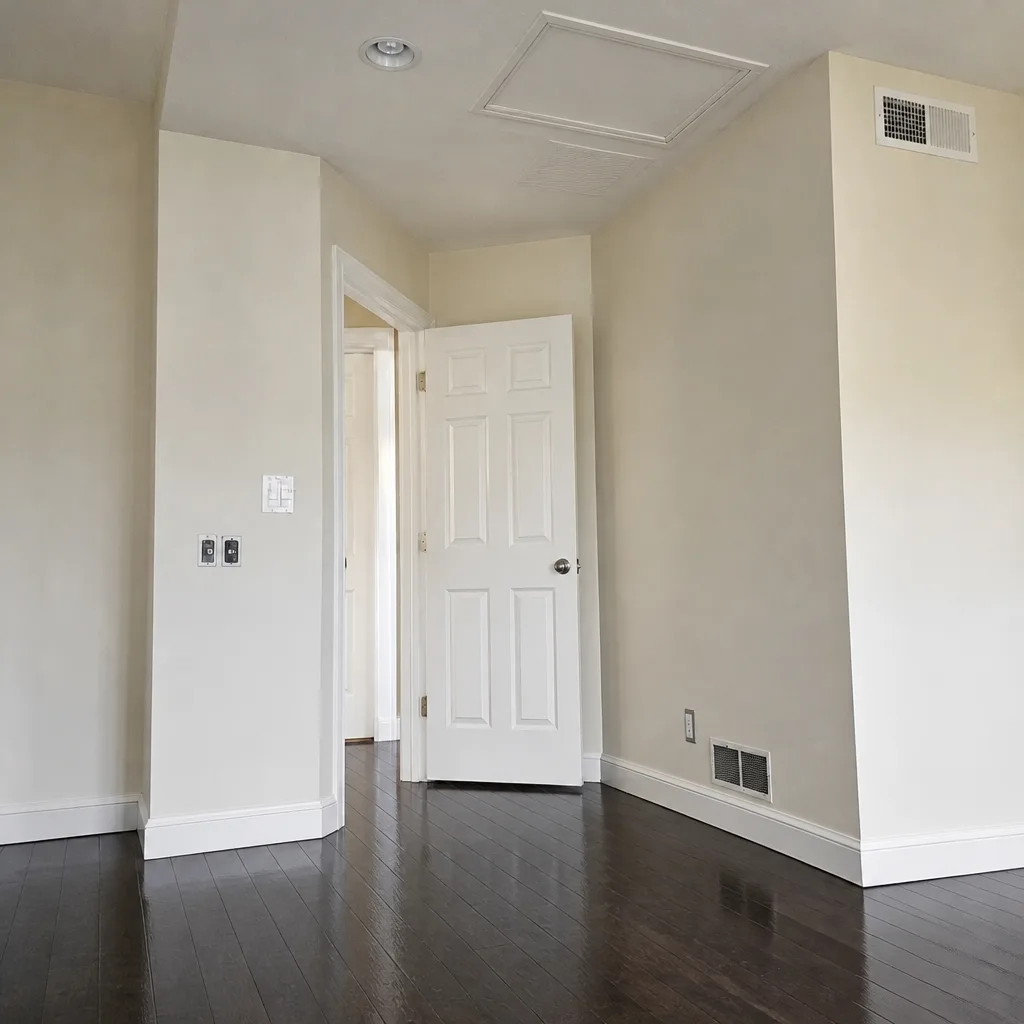
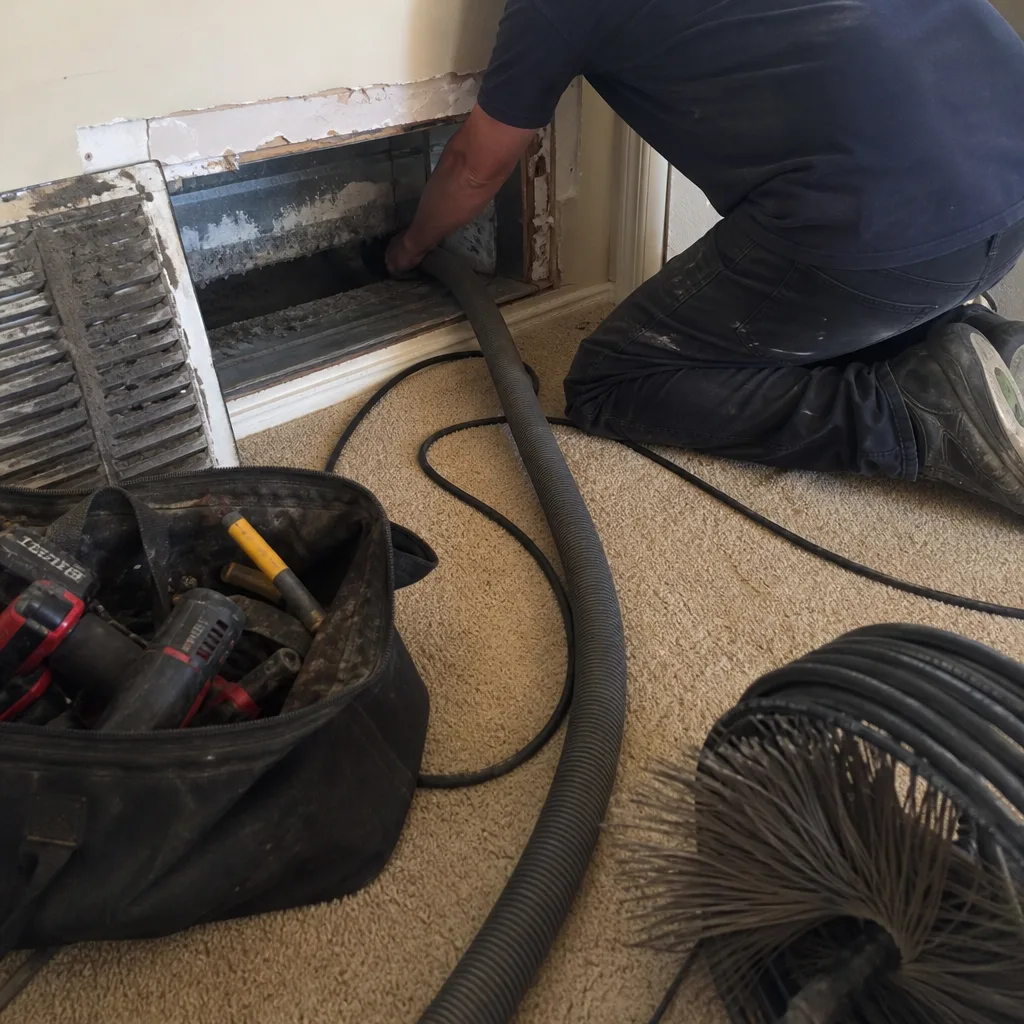
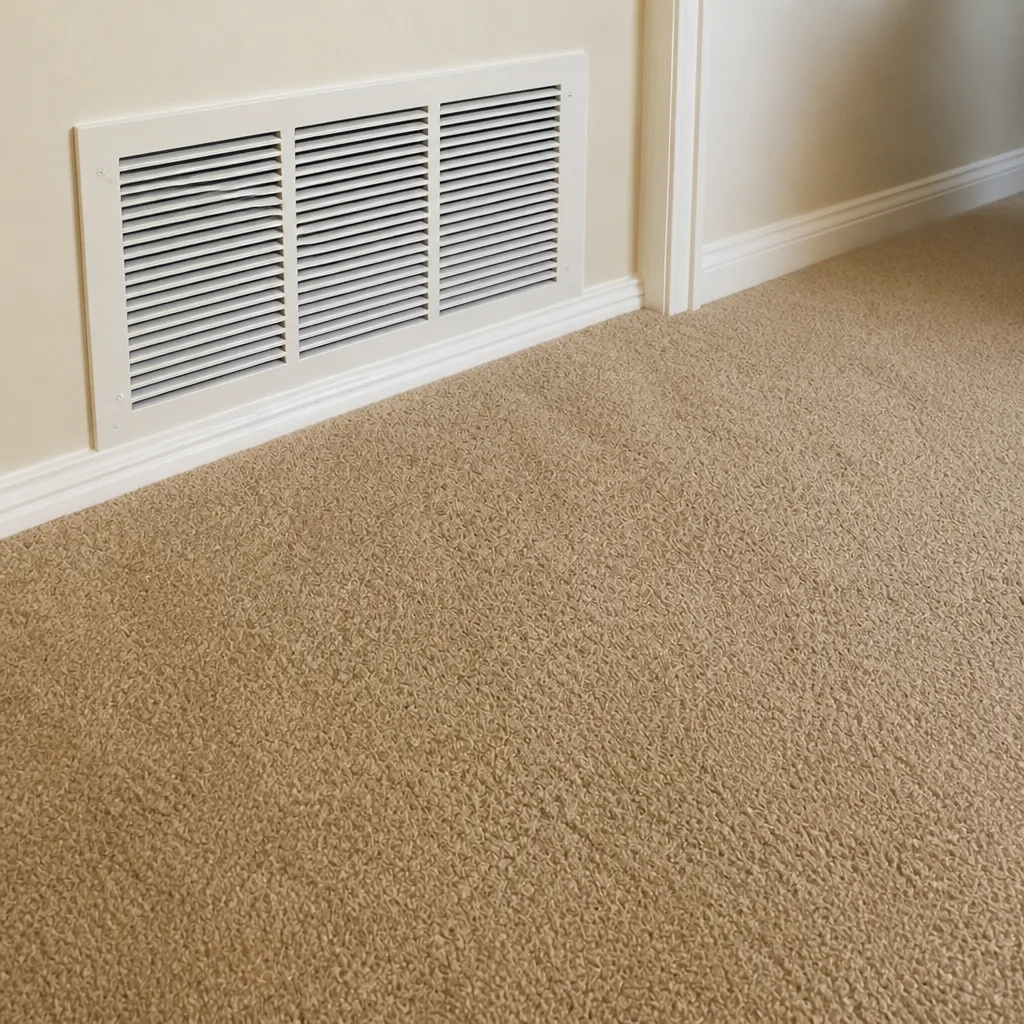
Whole-system duct and dryer vent check with before-and-after photos - you see exactly what came out of your vents
That "$99 whole-house special" is a bait ad - the real number appears once they are in your hallway, or the "clean" is a shop-vac at the register. We photograph the inside of your ducts before and after instead.
Air Duct Cleaning Emergency Preparedness Guide for Laguna Niguel Homes
Most Laguna Niguel homeowners think of air duct cleaning as routine maintenance, something you schedule every few years when you remember it exists. That assumption gets flipped on its head the moment a wildfire puts smoke over the city. Here’s the counterintuitive part: your HVAC system, which you probably ran during the 2020 Silverado Fire to keep the house cool while ash drifted through South Orange County, is also the most efficient machine in your home for pulling airborne contamination indoors and permanently embedding it in your ductwork. This guide explains exactly what to do before, during, and after a smoke or ash event in Laguna Niguel so a temporary outdoor air quality emergency doesn’t become a persistent indoor one. We’ll cover filter upgrades, the right time to shut your system down, the difference between wildfire ash and combustion gases, insurance documentation, and how to know when professional duct cleaning is actually required.
Styles & brands we work with
- Whole-home duct cleaning
- Dryer vent cleaning
- Camera inspection
- Sanitizing & deodorizing
Quick Answer
Air duct cleaning after a wildfire smoke event in Laguna Niguel is warranted when ash or heavy soot entered the home and the HVAC system was running during the event, because the blower pulls particulate into return ducts and distributes it through the entire system. Before an event, the single most important step is installing a high-MERV filter (MERV 13 or better, if your system can handle the pressure drop) and knowing how to switch your thermostat to recirculation-only mode. After the smoke clears, a professional inspection should determine whether ducts need cleaning versus a simple filter replacement, and if the event is part of a declared emergency, detailed documentation supports an insurance claim.
Table of Contents
- Why Laguna Niguel’s Geography Makes This Guide Necessary
- Before the Event: Pre-Season Duct and Filter Preparation
- During the Event: When to Run, Recirculate, or Shut Down
- Wildfire Ash vs. Combustion Gases: Why the Cleanup Approach Differs
- Post-Event Assessment: Cleaning vs. Filter Replacement
- Documentation and Insurance: What to Record
- What Professional Duct Cleaning Equipment Actually Does
- Common Mistakes to Avoid
- When to Call a Professional
- Frequently Asked Questions
- The Bottom Line
Why Laguna Niguel’s Geography Makes This Guide Necessary
Laguna Niguel sits in a fire-prone corridor between the Cleveland National Forest to the east and the open ridgelines that feed the Santa Ana wind pattern. The terrain creates a predictable situation every fire season: dry vegetation, east winds, and neighborhoods spread across canyons and hillsides that channel smoke. Homes in areas like Kite Hill, Marina Hills, and San Joaquin Hills experienced visible ashfall and heavy smoke during the 2020 Silverado Fire, even when the flames were miles away.
The challenge for duct systems is straightforward. Your HVAC pulls return air from inside the home, but a house in Laguna Niguel during a smoke event is not airtight. Outdoor air infiltrates through window seals, door gaps, and the natural stack effect of a two-story home. When the system runs, that smoke-laden air moves through the return registers and into the duct network. The blower pushes it through supply ducts and into every room. Along the way, particulate settles where airflow slows: at duct elbows, in the return trunk, and on the inside of flex duct. Once settled, it doesn’t leave on its own. Every subsequent system cycle re-entrains some of it, which is why post-fire duct cleaning is common in this part of Orange County.
Before the Event: Pre-Season Duct and Filter Preparation
Preparation is about two things: reducing what gets into the ducts, and making sure what does get in can be removed later without major disruption. The window for this is before the first hot Santa Ana wind event of the season, typically late summer through fall in Laguna Niguel.
Filter Upgrades: The First Line of Defense
A standard fiberglass or low-MERV pleated filter is designed to protect the HVAC equipment, not the people in the house. For wildfire smoke and ash, you want a filter rated MERV 13 or higher if your system can accommodate the pressure drop. That “if” matters more than most homeowners realize.
- MERV 8-11: catches large dust and some pollen, does little for fine smoke particulate.
- MERV 13: captures a meaningful percentage of PM2.5, the fine particle size that wildfire smoke carries in abundance.
- MERV 16 or HEPA-level: best for smoke, but the increased air resistance can strain a residential blower that wasn’t designed for it.
Before installing anything above MERV 13, have a technician check your system’s static pressure. A filter that’s too restrictive reduces airflow, forces the system to work harder, and can cause the evaporator coil to freeze. This is the kind of evaluation a duct cleaning specialist does during a routine visit, and it’s worth doing before you need it. In our experience with Laguna Niguel homes, systems with a 4-inch media cabinet handle MERV 13 well, while 1-inch filter slots often need a MERV 11 maximum unless the system is unusually robust.
HVAC Damper Settings and Airflow Control
Most residents don’t think about their supply dampers. They’re the small levers on duct branches near the plenum, and their position dictates how much conditioned air flows to each room. For emergency preparation, the relevant point is knowing where your return registers are and which rooms draw the most outdoor air.
- Identify every return register in the home. During a smoke event, these are the primary entry points for contaminated air.
- Check the seal on windows and exterior doors now, not when smoke is visible. Air leaks mean the HVAC draws more smoke even when windows are closed.
- If you have a whole-home filtration system from a brand like Aprilaire, confirm the filter replacement schedule and keep one spare filter on hand during fire season.
What to Do When an Air Quality Alert Is Issued
When the South Coast Air Quality Management District issues a smoke advisory for inland Orange County, you have a window of a few hours to a day before conditions worsen. Here’s a numbered sequence:
- Replace the existing filter with the highest-MERV filter your system is rated for.
- Close all windows and exterior doors, and engage the fresh air damper if your system has one. Many newer Laguna Niguel homes have energy recovery ventilators that pull outdoor air; switch those to closed or recirculate mode.
- Set the thermostat fan to “Auto” rather than “On” until you decide whether to run the system at all.
- Note the date and time the event begins. This becomes relevant for documentation if cleaning is later required.
- If you have a portable air purifier with a HEPA filter, place it in the room where you spend the most time. Keep it off the central system for now.
During the Event: When to Run, Recirculate, or Shut Down
This is where the most consequential decisions get made, often under pressure. The right answer depends on the severity of the smoke and your system’s configuration.
When to Shut the System Off Entirely
If visible ash is accumulating on outdoor surfaces, if the sky is orange and the air has a sharp smell, or if the AQI in Laguna Niguel exceeds 150, shut the system off entirely. Running the blower during heavy smoke actively pulls contaminated air into the return plenum and pushes it through every supply run. A properly sealed home will maintain livable indoor temperatures for several hours without forced air, especially if you close blinds on sun-facing windows and avoid running heat-generating appliances.
When Recirculation Mode Is Appropriate
If smoke levels are moderate and you need temperature control, switch the thermostat to recirculation mode if available. This setting closes the outdoor air intake and cycles indoor air through the filter without pulling from outside. Not all systems label this clearly; some thermostats call it “Recirc,” others bury it in the fan settings. The key is that the system is not actively drawing fresh air from outdoors.
The MERV Rating Conversation for Wildfire Smoke Particulate
Wildfire smoke particulate is dominated by PM2.5, with a significant fraction smaller than 1 micron. MERV 13 captures roughly 50 percent of particles in the 0.3 to 1 micron range, which is the hardest size to capture from a filtration standpoint. MERV 16 captures a higher percentage but requires a genuinely capable blower. For most Laguna Niguel homes, MERV 13 is the practical sweet spot during a smoke event, paired with shutting the system down during the worst hours rather than relying on the filter to do all the work.
Here’s a simple decision table:
- Smoke visible but AQI under 100: Run normally with a MERV 13 filter.
- AQI 100-150 with haze: Run on recirculation, closed outdoor dampers.
- Heavy smoke, ashfall, AQI above 150: System off. Use a HEPA room purifier if you have one.
Wildfire Ash vs. Combustion Gases: Why the Cleanup Approach Differs
A common misconception is that smoke is smoke. In a duct system, the contamination profile of wildfire particulate breaks into two categories that behave differently and require different responses.
Particulate Ash and Soot
Ash and soot are solids. They are abrasive, they settle in low-velocity sections of ductwork, and they bond to the dust film that already exists on duct surfaces. Once settled, they act as nucleation points for additional dust accumulation. This is what a traditional air duct cleaning process addresses: mechanical agitation of settled particulate followed by extraction under negative pressure. The Rotobrush rotary brush system is designed specifically for this, scrubbing the entire interior circumference of the duct rather than just vacuuming loose debris.
Combustion Gases and Vapor-Phase Contaminants
Combustion gases are a different problem. Volatile organic compounds released during a fire can adsorb onto duct surfaces and later off-gas, which is why some homes retain a faint smoke odor weeks after the event. Particulate filtration does not address gases. The remediation approach for vapor-phase contamination focuses on source removal (cleaning the surfaces) and, in some cases, air scrubbing. This is one area where professional judgment matters: a duct that was exposed primarily to particulate smoke may need only mechanical cleaning, while one that absorbed heavy combustion gases may need a more thorough process.
Why the Distinction Matters
If you replace the filter and run the fan for a few weeks, you’re removing ongoing particulate from the airstream. You are not removing settled ash inside the ducts, and you are not addressing anything adsorbed to duct surfaces. Knowing which contaminant profile applies to your situation determines whether cleaning is necessary or whether a filter change and system run-in will do.
Post-Event Assessment: Cleaning vs. Filter Replacement
After the smoke clears and the Santa Anas stop, you need to determine what actually happened inside your duct system. Here’s how to make that call.
Step One: Inspect What You Can See
Remove a supply register in a room far from the return. Shine a flashlight into the duct and look at the walls of the register boot. If you see a gray or brown film, or if a white cloth wiped across the surface comes back dirty, particulate has entered the system. Check the return side too. Return ducts are always dirtier than supply ducts in a normal home, but visible soot or ash residue in the supply side after a smoke event is a stronger indicator of contamination.
Step Two: Replace the Filter and Watch It
Install a fresh MERV 13 filter and run the system normally for two weeks. Then check the filter. If it’s heavily darkened in that period, material is still circulating. If it remains relatively clean, the bulk of the particulate may have settled or been captured during the event.
Step Three: The Professional Inspection
This is where Duct Cleaning Laguna Niguel sees a consistent pattern in homes after wildfire events. The visible portions of the ductwork represent maybe five percent of the system. The rest is hidden: the trunk line, the plenums, the return drop. An inspection with a borescope camera can show what’s actually sitting on the interior surfaces before you decide on cleaning. Many homeowners in Laguna Niguel are surprised by what the camera reveals, even when the registers look clean.
Decision Framework
- Filter replacement only: No visible residue in supply ducts, filter darkened normally over 30 days with no rapid fouling, no persistent smoke odor.
- Professional duct cleaning: Visible film or residue in supply or return ducts, rapid filter fouling, smoke odor that persists more than two weeks after the event, known heavy ashfall in the home.
- Duct repair or sealing: Inspection reveals disconnected runs, gaps, or damage that would otherwise re-contaminate the system after cleaning.
Documentation and Insurance: What to Record
If a wildfire smoke event in Laguna Niguel is part of a declared emergency or if your homeowner’s policy includes coverage for smoke damage, documentation is the difference between a smooth claim and a denied one. This section covers what to record and how.
What to Document During the Event
- Photograph the outdoor conditions on the worst day. Include enough visual context to establish location: your street, your house number, the sky, visible ash on surfaces like cars or patio furniture.
- Photograph interior surfaces, especially windowsills and floors near exterior doors. Ash that made it onto these surfaces is likely to have entered the return airstream.
- Note the AQI for your ZIP code on each day the smoke was present. The South Coast AQMD publishes historical data, and it’s retrievable later if needed, but having your own record timestamped is more useful during a claim.
- Record whether your HVAC system was running and on what setting, plus the filter MERV rating installed at the time.
- If you clean anything yourself, photograph before and after. Do not throw away a heavily fouled filter; date it and store it in a plastic bag as evidence.
What Coverage Typically Applies
Standard homeowner’s policies in California generally cover sudden and accidental physical damage. Smoke damage is typically included, but the gray areas involve what constitutes “damage” versus “cleaning.” Some policies cover duct cleaning after a covered event; others treat it as routine maintenance. The documentation above is what establishes that the cleaning was event-driven rather than elective. If the event is part of a federal or state declared emergency, cite that declaration in your claim. In our experience, homeowners who present dated photos, AQI records, and a professional inspection report are significantly more likely to have duct cleaning covered than those who submit a receipt alone.
What Professional Duct Cleaning Equipment Actually Does
This is the section where we’re direct about the difference between the service a serious contractor provides and what a budget operator does, because the equipment is the entire point. You can’t see inside your ducts without a camera, and you can’t clean what you can’t see without the right tools.
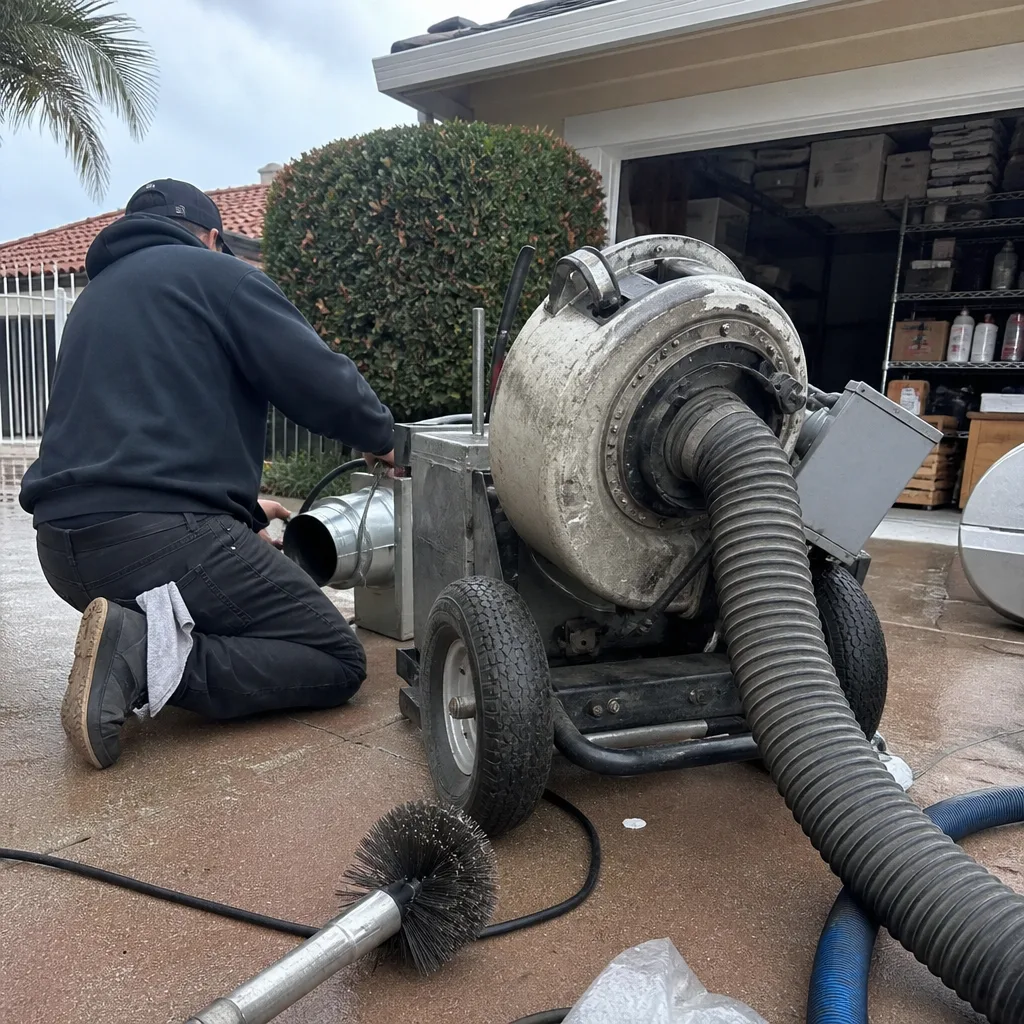
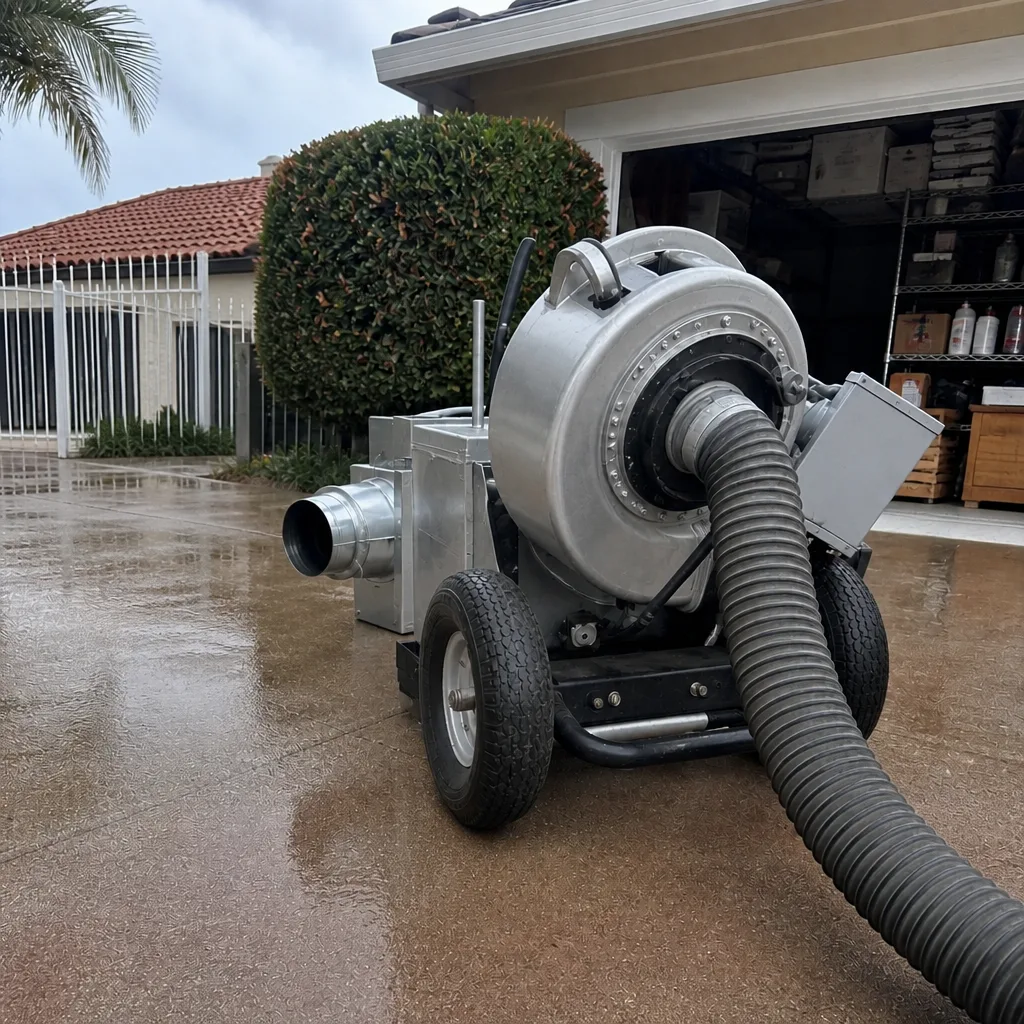
A professional-grade duct cleaning in a Laguna Niguel home involves connecting a high-power negative air machine to the duct system, then mechanically agitating the interior surfaces. For us, that means the Rotobrush system: a motorized rotary brush that travels the full length of each duct run while the negative air machine captures the loosened particulate at the source. Abatement Technologies negative-air equipment provides the containment side: the air being pulled through the ducts goes through HEPA filtration before it exits any process, rather than being exhausted back into the home. This is the same standard used in remediation work. The alternative that many cheaper outfits use is a large shop vac connected to one register, which leaves most of the particulate behind and simply relocates the problem.
We also see ductwork with damage that cleaning alone can’t fix: separated flex runs, crushed sections, gaps at joints, return leaks in the attic. A specialist in Laguna Niguel air duct cleaning should also be capable of duct repair in the same visit. Otherwise you get a system cleaned top to bottom that pulls contaminated attic or crawlspace air right back in through the gaps. We clean it. If we find damage, we fix it.
Common Mistakes to Avoid
- Running the HVAC during heavy smoke because “the filter will handle it.” A MERV 13 filter captures a fraction of ultrafine smoke particulate. The rest moves through and settles in the ducts. During the worst hours of a smoke event, the system should be off.
- Installing a high-MERV filter without checking static pressure. A filter too restrictive for the blower reduces airflow, stresses the equipment, and can cause coil freeze. This is a real failure mode, not a theoretical one.
- Replacing the filter and assuming the problem is solved. The filter only protects the equipment going forward. It does nothing for particulate already settled in the ductwork from the event.
- Waiting until fire season to think about duct cleaning. If your ducts carried heavy dust and debris before a smoke event, that existing material acts as a sponge for smoke particulate. Clean ducts before the season means less contamination during an event.
- Not documenting anything. Homeowners who call four weeks after a smoke event with no photos, no AQI records, and no filter saved as evidence have a much harder insurance conversation. Documentation starts the day you notice the smoke.
- Hiring a budget duct cleaner who uses a shop vac. The duct system stays dirty, the interior particulate remains, and you’ve paid for a service that didn’t solve the problem. Professional-grade equipment is the entire basis for a legitimate cleaning.
- Ignoring existing duct damage before an event. A disconnected return run in the attic pulls unfiltered (and during a fire, smoke-laden) air directly into the supply side. Duct repair before fire season is preparation, not an optional upgrade.
When to Call a Professional
Call a professional if you see visible residue inside supply registers after a smoke event, if the filter fouls within days rather than weeks, if a smoke odor persists more than two weeks despite filter changes, or if you know the system ran during heavy ashfall and you want a documented inspection before deciding anything. Call before fire season if your ducts have never been inspected, if you want a MERV 13 filter upgrade evaluated for compatibility, or if you know you have disconnected or damaged runs. Duct Cleaning Laguna Niguel offers free estimates in Laguna Niguel. Call (855) 525-6862. We answer 24/7. Fast dispatch from 7am to 7pm, Sunday through Friday.
Frequently Asked Questions
How do I know if my ducts need cleaning after a wildfire smoke event?
Inspect what you can see first: remove a supply register in a far room and wipe the interior with a white cloth. A gray or brown film, a smoke odor that persists beyond two weeks, or rapid filter fouling after replacement are all indicators that professional cleaning is warranted. A borescope inspection can confirm what the eye can’t reach.
Is a MERV 13 filter enough for wildfire smoke?
A MERV 13 filter captures a meaningful percentage of wildfire smoke particulate including much of the PM2.5 fraction, but it is not absolute protection. No filter catches everything. During heavy smoke events, the more important step is shutting the system down entirely during the worst hours. A MERV 13 filter is a useful component of a broader strategy, not a standalone solution.
How soon after the smoke clears should I get my ducts cleaned?
Wait until outdoor air quality has normalized and the immediate event has passed. That usually means a few days to two weeks after the AQI returns to typical Laguna Niguel levels. Cleaning sooner means pulling residual outdoor smoke back into the home. The inspection that will inform a clean-versus-filter decision can happen as soon as conditions allow.
What’s the difference between wildfire ash and combustion gases in my ducts?
Ash and soot are solid particulate that settles in low-velocity areas of the ductwork. Mechanical agitation and extraction, like a rotary brush system under negative pressure, removes them. Combustion gases are vapor-phase contaminants that can adsorb onto duct surfaces and later off-gas. Addressing gases requires thorough surface cleaning and sometimes air scrubbing. The same equipment often handles both; the process differs.
Will my homeowner’s insurance cover air duct cleaning after a smoke event?
Coverage depends on your policy and whether the event is part of a declared emergency. Standard California policies often cover smoke damage, but the claim hinges on documentation: dated photos of outdoor and indoor conditions, AQI records, a saved filter as evidence, and ideally a professional inspection report. Without documentation, a claim is harder to support.
How does professional duct cleaning equipment differ from a basic vacuum?
A shop vac connected to one register removes loose debris from that single access point. A professional system combines negative air extraction from the entire duct network with mechanical agitation along the full length of each run. The Rotobrush rotary brush system scrubs the duct walls, while Abatement Technologies negative-air equipment provides HEPA-filtered airflow. The result is a system cleaned throughout, not a single section that looks better.
The Bottom Line
Laguna Niguel’s position in a fire-prone corridor means every homeowner should have a plan for what happens when smoke reaches the neighborhood. That plan starts with a filter and damper check before fire season, continues with smart decisions about when to run or shut down the HVAC during an event, and ends with a documented post-event assessment that determines whether cleaning is actually required. The distinction between filter replacement and professional dryer vent cleaning adjacent concerns like dryer safety after ash exposure is worth understanding, and the same applies to the main duct system. If you know your system captured ash or soot, or if you simply want a baseline inspection before the next fire season, get a professional assessment. The written estimate sets the final price, and the inspection tells you what’s actually there before anyone starts work.
Written by the team at Duct Cleaning Laguna Niguel, serving Laguna Niguel since 2011.
See the difference
 Before
 After
 Before
 After
 Before
 After